Choosing Your First Road Bike: A Complete Buyers Guide for New Cyclists
Purchasing your first road bike is exciting but can feel overwhelming given the variety of options available. This comprehensive guide helps you understand what to look for, how to evaluate different options, and how to make a decision you will be happy with for years to come.
Understanding Road Bike Categories
Road bikes come in several distinct categories, each designed for specific purposes. Understanding these categories helps narrow your choices.
Race Bikes
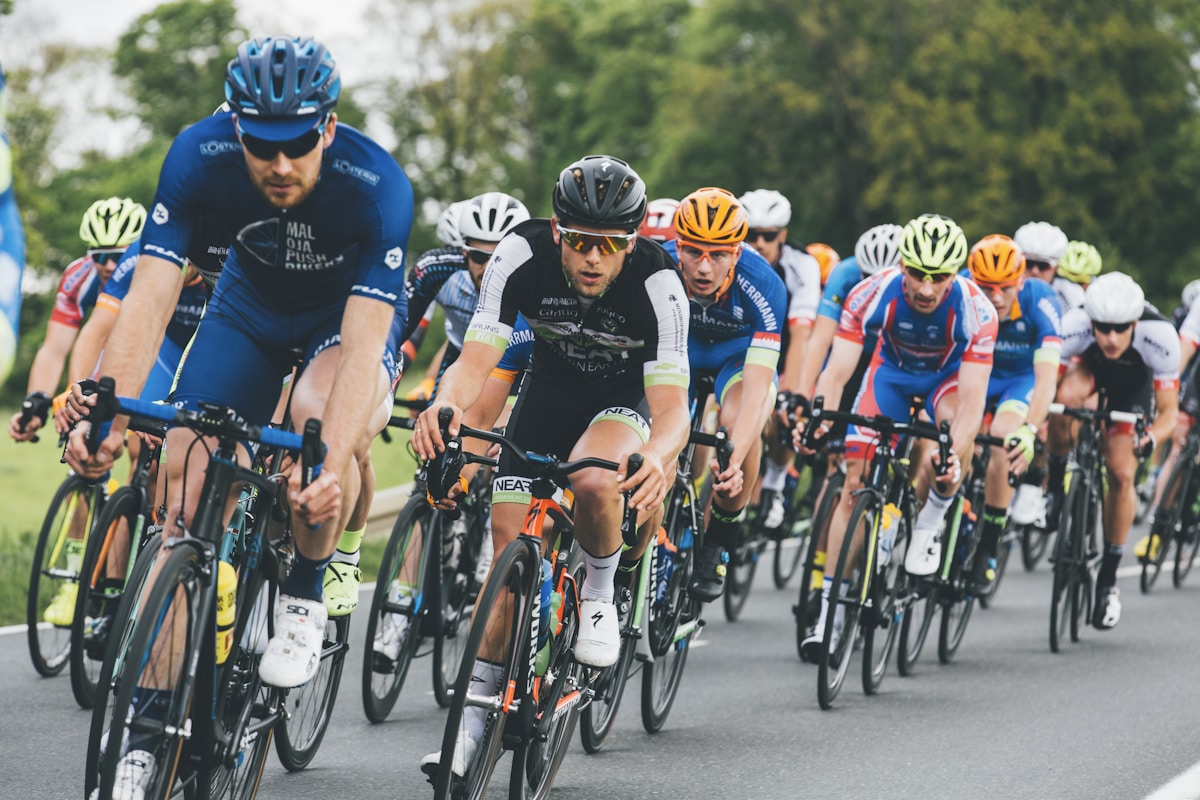
Race bikes prioritize aerodynamics and stiffness over comfort. They feature aggressive geometry with low handlebars relative to the saddle. These bikes excel at going fast but can feel harsh on rough roads. Entry level race bikes suit riders focused on speed who have good flexibility.
Endurance Bikes
Endurance bikes balance performance with comfort for long rides. They feature more relaxed geometry with taller head tubes and shorter top tubes. Wider tire clearance allows for cushioning. These bikes suit most recreational riders and those who prioritize all-day comfort.
Gravel and Adventure Bikes
Gravel bikes handle mixed surfaces from pavement to packed dirt. They feature clearance for wide tires, mounts for bags and accessories, and stable geometry. While slower on pure pavement, they offer versatility for exploring varied terrain.
Frame Materials Explained
Frame material significantly impacts ride quality, weight, and price. Each material has distinct characteristics.
Aluminum
Aluminum dominates the entry-level market due to its favorable price-to-performance ratio. Modern aluminum frames ride surprisingly well, though they can feel slightly harsher than other materials on rough roads. A well-designed aluminum bike with a carbon fork offers excellent value for new riders.
Carbon Fiber
Carbon fiber allows designers to tune stiffness and compliance precisely. High-quality carbon bikes absorb road vibration while remaining efficient under power. Weight savings are significant. However, carbon bikes cost more and can be damaged by impacts that would merely dent metal frames.
Steel
Steel remains popular for touring and custom bikes. It offers a smooth, forgiving ride quality and is easily repaired almost anywhere in the world. Steel frames weigh more than aluminum or carbon but provide exceptional durability and a classic feel.
Titanium
Titanium combines the ride quality of steel with lower weight. It resists corrosion and lasts virtually forever with proper care. However, titanium frames are expensive due to material and manufacturing costs. Consider titanium if you want a lifetime bike with excellent ride quality.
Component Groups Demystified
The component group or groupset includes your shifting and braking systems. Major manufacturers include Shimano, SRAM, and Campagnolo.
Shimano Hierarchy
Shimano offers groups from entry-level Claris through top-tier Dura-Ace. For new riders, 105 hits the sweet spot of performance and value. It offers 11-speed shifting with excellent reliability. Tiagra works well for budget-conscious riders, while Ultegra provides pro-level performance at a moderate price.
SRAM Options
SRAM groups include Apex at entry level through Red at the top. Their double-tap shifting system differs from Shimano traditional separate paddle design. Some riders prefer one over the other. Try both if possible before deciding.
Electronic vs Mechanical
Electronic shifting offers lighter lever action, faster shifts, and automatic trim. It costs more and requires battery charging. Mechanical shifting is less expensive, equally reliable when properly adjusted, and needs no charging. Most new cyclists do well with mechanical groups.
Wheels and Tires
Wheels significantly affect how your bike rides and accelerates. Tires are your only contact with the road.
Wheel Considerations
Stock wheels on entry-level bikes typically weigh more than aftermarket options. This matters less than marketing suggests for new riders. Focus on reliable wheels that accept the tire width you want. Upgrades can come later as you develop preferences.
Tire Width
Tire width has increased in recent years as research shows wider tires roll as fast as narrow ones with better comfort and grip. Where 23mm was standard, many riders now use 28mm or wider. Ensure your frame and brake calipers accommodate the width you prefer.
Disc vs Rim Brakes
Disc brakes provide consistent stopping power in all conditions and allow wider tires. Rim brakes are lighter, simpler to maintain, and perfectly adequate in dry conditions. Both work well. New riders often prefer disc brakes for their consistent feel, especially when learning.
Sizing Your First Bike
Proper sizing prevents discomfort and injury. Take time to get this right.
Stack and Reach
Modern bikes use stack and reach measurements for sizing. Stack describes how high the bars are relative to the bottom bracket. Reach describes how far forward they extend. Manufacturer sizing charts help match these numbers to your body dimensions.
Test Rides
Numbers only tell part of the story. Test ride whenever possible. A slightly smaller frame can be adjusted with a longer stem. A too-large frame is difficult to correct. When between sizes, choose the smaller option unless you have especially long arms or prioritize stability over agility.
Budget Considerations
How much should you spend on your first road bike? The answer depends on your commitment level and financial situation.
Entry Level Range
Bikes from 800 to 1500 dollars offer solid value for new riders. Expect aluminum frames with carbon forks, reliable groupsets like Shimano Tiagra or 105, and serviceable wheels. These bikes perform well and help you learn what matters to you before investing more.
Mid-Range Options
From 1500 to 3000 dollars, you get carbon frames, better components, and lighter wheels. These bikes feel more refined and may better suit riders who know they will commit to the sport long-term.
What to Skip
Avoid department store bikes that look like road bikes but use inferior components. These rarely shift properly, may have safety issues, and will frustrate you into abandoning cycling. Buy from a proper bike shop or reputable online retailer.
Essential Accessories
Budget for accessories beyond the bike itself.
Safety Gear
A quality helmet is non-negotiable. Front and rear lights improve visibility even in daylight. Gloves protect your hands in falls and improve comfort.
Maintenance Tools
A floor pump with gauge, multi-tool, spare tubes, tire levers, and basic cleaning supplies keep your bike running. Learn to fix a flat before you need to do it roadside.
Clothing
Padded cycling shorts dramatically improve comfort. Jersey pockets carry essentials. Cycling shoes and clipless pedals improve efficiency but can wait until you are comfortable on the bike.
Where to Buy
You have several options for purchasing your first road bike.
Local Bike Shops
Local shops provide test rides, professional fitting, and ongoing support. Many include free adjustments during the first year. Building a relationship with a good shop pays dividends as you develop in the sport.
Online Retailers
Online retailers often offer lower prices but require you to assemble the bike or pay for shop assembly. Without test rides, you rely on measurements and reviews. This works well if you know your size and preferences.
Used Bikes
Used bikes stretch budgets further but require knowledge to evaluate condition. Have a mechanic inspect any used bike before purchase. Factor in the cost of replacing worn components.
Conclusion
Your first road bike should match your goals, fit your body, and fit your budget. Start with the essentials and upgrade as you develop preferences. Most importantly, choose a bike that makes you want to ride. The best bike is the one that gets you out on the road regularly.


Subscribe for Updates
Get the latest articles delivered to your inbox.
We respect your privacy. Unsubscribe anytime.