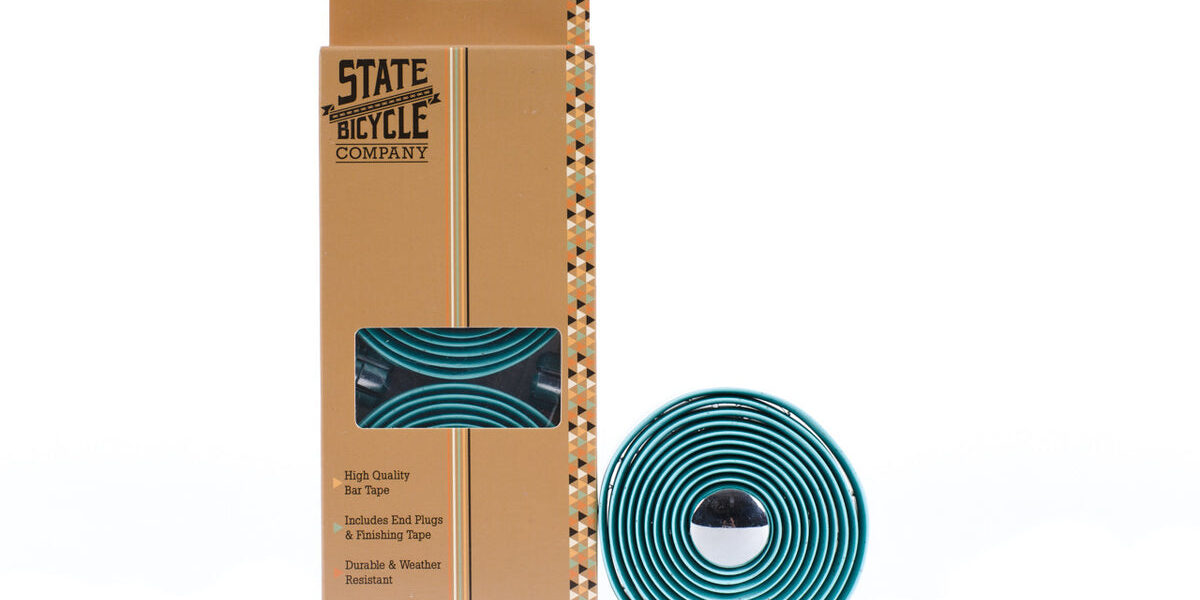
As someone who has wrapped more handlebars than I can count across commuters, race bikes, and everything in between, I spent months getting comfortable with what your hands actually feel. Today, I will share it all with you.
Bar Tape Material Science: What Your Hands Actually Feel
Bar tape is the primary interface between your hands and your bicycle—a contact point receiving thousands of hours of pressure, vibration, and moisture exposure over its service life. The choice between silicone, cork, synthetic, and textile tapes affects grip security, vibration damping, durability, and wet-weather performance in ways that justify careful selection beyond color matching.
Cork and Natural Cork Composites
Traditional cork tape—natural cork particles bonded with latex or synthetic binders—remains a benchmark for feel and vibration absorption.
Characteristics:
- Thickness: 2.0-2.5mm typical
- Vibration damping: Excellent (cork’s cellular structure absorbs high-frequency buzz)
- Grip when dry: Very good (slightly tacky surface)
- Grip when wet: Moderate (absorbs water, can become slippery when saturated)
- Durability: 3,000-5,000 miles before significant wear
Best for: Long-distance riding, smooth roads, dry climates, riders prioritizing comfort over durability.
Drawbacks: Absorbs sweat and road spray, shows staining, deteriorates faster in wet conditions, surface can compress unevenly under bar tape pressure points.
Silicone-Based Tapes
Silicone tapes (Lizard Skins DSP, Supacaz Super Sticky Kush) offer consistent grip and weather resistance through silicone polymer construction.
Characteristics:
- Thickness: 1.8-3.2mm (multiple options available)
- Vibration damping: Good to excellent (thickness-dependent)
- Grip when dry: Excellent (tacky, high-friction surface)
- Grip when wet: Excellent (non-absorbent, maintains friction)
- Durability: 5,000-8,000 miles
Best for: Year-round riding, wet climates, criterium racing, riders who prioritize consistent grip.
Drawbacks: Higher cost ($30-50), less “classic” feel versus cork, can be too tacky for some riders’ preferences, prone to tearing if nicked by brake levers during installation.
Synthetic EVA and Foam Tapes
EVA (ethylene vinyl acetate) foam tapes represent the volume market—Fizik Tempo, Bontrager Supertack, and countless OEM tapes use EVA construction.
Characteristics:
- Thickness: 2.0-3.0mm
- Vibration damping: Moderate (foam compresses under load)
- Grip when dry: Good (texture-dependent)
- Grip when wet: Moderate (better than cork, worse than silicone)
- Durability: 2,000-4,000 miles
Best for: Budget-conscious riders, frequent tape replacement, color variety preferences.
Drawbacks: Compresses and hardens over time, grip degradation accelerates with UV exposure, lower durability than premium options.
Textile and Cotton Tapes
Cloth tapes (Tressostar, Velox Tressostar, Newbaums) offer retro aesthetics with distinct performance characteristics.
Characteristics:
- Thickness: 1.5-2.0mm (thinnest category)
- Vibration damping: Minimal (thin profile transmits more vibration)
- Grip when dry: Moderate (cotton texture)
- Grip when wet: Poor (absorbs water, becomes slippery)
- Durability: 1,500-3,000 miles (or less with heavy use)
Best for: Vintage restorations, low-mileage show bikes, riders who prefer minimal bar diameter buildup.
Drawbacks: Requires shellac or varnish coating for durability, poor wet grip, shows dirt easily, labor-intensive application.
Thickness: The Damping Variable
Tape thickness directly correlates with vibration absorption but affects bar diameter and grip circumference:
- 1.8mm: Minimal damping, maintains original bar diameter feel
- 2.5mm: Moderate damping, slight bar diameter increase
- 3.2mm: Maximum damping, noticeable bar diameter increase
Riders with smaller hands or those preferring less grip circumference should select thinner tapes. Those seeking maximum comfort or riding rough roads benefit from thicker options.
Double-Wrapping Technique
Some riders double-wrap—applying two layers of tape—for extreme vibration damping. Gel pads beneath single-layer tape provide similar cushioning with less bar diameter increase.
Double-wrap benefits: Maximum damping, allows mixing tape types (gel underlayer + grip tape surface), extends wear life of outer layer.
Double-wrap drawbacks: Increased bar diameter, higher cost, more complex application, potential for underlayer shifting.
Installation Quality Factors
Proper installation affects tape performance regardless of material:
- Tension: Consistent stretch (10-15% for most tapes) prevents bunching and loose spots
- Overlap: 30-50% overlap ensures complete coverage without excessive thickness buildup
- Lever hood integration: Clean figure-eight wrap around lever clamps prevents gaps
- Finishing: Electrical tape or manufacturer-supplied finishing tape should be applied under slight tension
Maintenance and Replacement Timing
Replace bar tape when:
- Surface grip noticeably decreases
- Visible wear through to bar surface
- Tape becomes hardened or slick
- Contamination from sweat, sports drink, or grease
- Ends begin separating from bar
Most riders should replace tape 1-2 times annually with moderate mileage. Competitive riders racing frequently may replace tape monthly.
The Decision Matrix
Prioritize grip in all conditions: Silicone-based (Lizard Skins DSP, Supacaz)
Prioritize comfort and vibration damping: Cork or thick silicone (3.2mm)
Prioritize durability and value: Quality EVA foam (Fizik Tempo Microtex)
Prioritize aesthetics: Textile with shellac finish
Bar tape is consumable equipment—experiment with different materials across replacement cycles to find your preference. The tactile connection between your hands and your handlebars deserves optimization equal to any other contact point.

Stay in the loop
Get the latest pro bike tech updates delivered to your inbox.