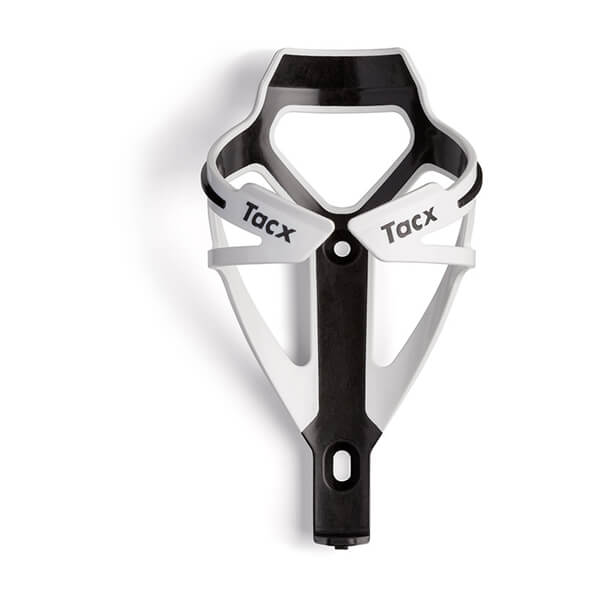
As someone who has obsessed over marginal gains for time trials and road races alike, I got hands-on with the hidden watts in your bottle position. Today, I will share it all with you.
Hydration Aerodynamics: The 5 Watts Hidden in Your Bottle Position
Every object protruding from your bicycle creates drag. Standard round water bottles in conventional cage positions can cost 5-10 watts at racing speeds—more than many equipment upgrades promise to save. Aero bottle design and strategic cage positioning reclaim these watts, making hydration system optimization one of cycling’s most accessible marginal gains.
The Drag Reality
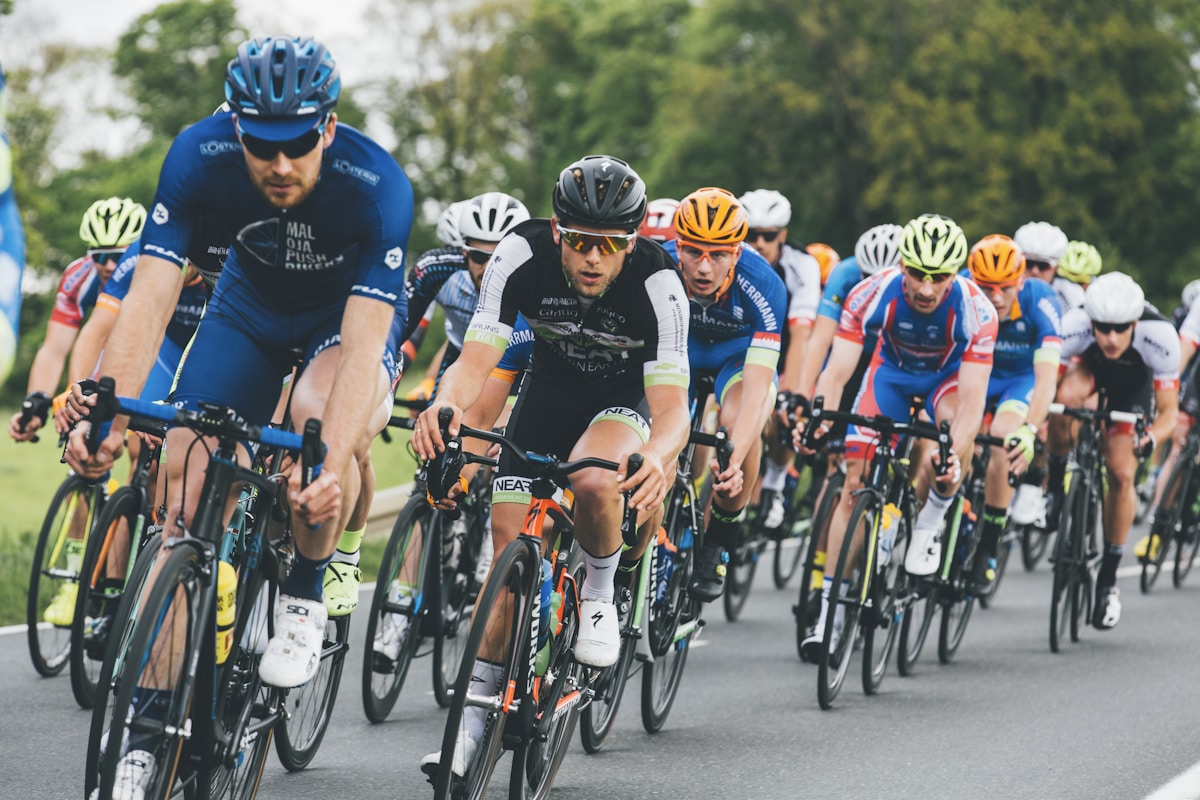
Wind tunnel data quantifies bottle position impact at 45 km/h:
- No bottles: Baseline (cleanest configuration)
- One bottle, downtube: +2-4 watts
- One bottle, seat tube: +3-5 watts
- Two round bottles, standard positions: +6-10 watts
- Aero bottle, downtube: +1-2 watts
- Behind-saddle hydration: +1-3 watts
- Aero bottle between aerobars: +0-1 watt (can actually reduce drag by filling gap)
The specific numbers vary by bike geometry, rider position, and bottle shape, but the patterns hold: bottles create drag, and position determines magnitude.
Why Bottle Shape Matters
Standard round bottles (500ml or 750ml cylinders) present a bluff body to airflow—the worst aerodynamic profile. Air separates early, creating low-pressure wake and vortex shedding.
Aero bottles feature:
- Teardrop or elongated oval cross-sections
- Tapered trailing edges that reduce wake
- Flattened profiles that sit closer to frame surfaces
- Ridged surfaces that manage boundary layer separation
Specialized, Elite, Trek, and other manufacturers produce aero bottles designed for specific frame integrations. Generic aero bottles from Camelbak and Elite provide benefits on any frame.
Downtube Position: The Primary Slot
The downtube cage position sits in relatively clean air behind the head tube. Aerodynamic considerations:
- Position bottle as close to downtube as cage design allows
- Aero-shaped cages (Arundel, Elite Vico) hug bottles closer than wire cages
- Bottle should not extend below bottom bracket level (creates additional frontal area)
- On aero frames, downtube bottles often integrate into frame profiles
Single-bottle racing typically uses downtube only. If carrying one bottle, downtube placement minimizes drag.
Seat Tube Position: The Problem Area
The seat tube cage sits in turbulent air behind the front wheel and bottom bracket. This position creates more drag than downtube:
- Bottle protrudes into airflow that’s already disrupted
- Creates additional frontal area at widest point of frame
- Bottle surface is visible from front (direct drag contributor)
When carrying two bottles, accept the seat tube penalty or consider alternatives.
Behind-Saddle Systems
Rear-mounted hydration (Xlab Delta, Profile Design aqua rack) positions bottles behind the rider’s body:
Advantages:
- Bottles hidden in rider’s aerodynamic shadow
- Frees frame positions for tools or additional bottles
- Capacity for two bottles or integrated storage
Disadvantages:
- Added weight behind center of gravity (affects handling)
- Difficult to access bottles while riding
- Mounting requires compatible seatpost or saddle rails
- Increased rear-end weight on climbing
Best for triathlon and time trial where drinking occurs at planned intervals and aero position is maintained throughout.
Between-Aerobar Systems
For time trial and triathlon setups, bottles mounted between aerobars can actually reduce drag:
- Bottle fills the gap between arm pads
- Airflow remains attached longer with filled gap versus open space
- Straw access enables drinking in aero position
Systems from Profile Design, Speedfil, and XLAB optimize this position. The bottle shape must match aerobar width—too narrow or too wide negates benefits.
Frame Integration: The Ultimate Solution
Purpose-built aero frames increasingly integrate hydration:
- Trek Speed Concept: Internal hydration with straw routing
- Specialized Shiv: Integrated downtube hydration
- Canyon Speedmax: Cockpit-integrated bottle with straw
- Cervelo P-Series: Purpose-designed bottle shapes matching frame contours
These systems sacrifice bottle capacity flexibility for optimal aerodynamics. Serious time trialists accept the tradeoff.
Cage Selection
Cage design affects both aerodynamics and bottle security:
- Wire cages: Light, secure, but create their own drag
- Carbon cages: Can be aero-profiled, but grip varies
- Side-entry cages: Essential for compact frames where top-entry is blocked
- Magnetic cages: Secure retention, premium pricing
Cage material matters less than cage fit. A bottle that ejects costs more than watts lost to suboptimal cage aerodynamics.
Practical Racing Application
Optimize based on race duration and feed zone access:
Under 90 minutes (criterium, short TT): Single aero bottle, downtube position. Accept limited hydration for maximum speed.
90 minutes to 3 hours: Two bottles with aero optimization, or single bottle with planned feed zone pickup.
Over 3 hours (road race, long TT): Full hydration capacity prioritized. Accept drag penalty to maintain fueling.
The Optimization Priority
Before pursuing marginal aero bottle gains, verify fundamentals:
- Is your position optimized? (Rider position creates 80% of total drag)
- Are you wearing aero clothing?
- Is your helmet aero and properly positioned?
- Are your wheels appropriate for conditions?
After addressing those priorities, bottle optimization becomes the accessible, affordable refinement. The 5 watts saved by switching from round bottles to aero bottles costs $30-50—among the best cost-per-watt investments available in cycling equipment.

Stay in the loop
Get the latest pro bike tech updates delivered to your inbox.