Carbon vs Aluminum Bike Frames: Complete Analysis

Choosing between carbon and aluminum bike frames represents one of the most consequential decisions in cycling. The materials differ fundamentally in how they’re manufactured, how they perform under load, and how they age over time. This guide examines both options through objective testing data and real-world experience to help you make an informed choice.

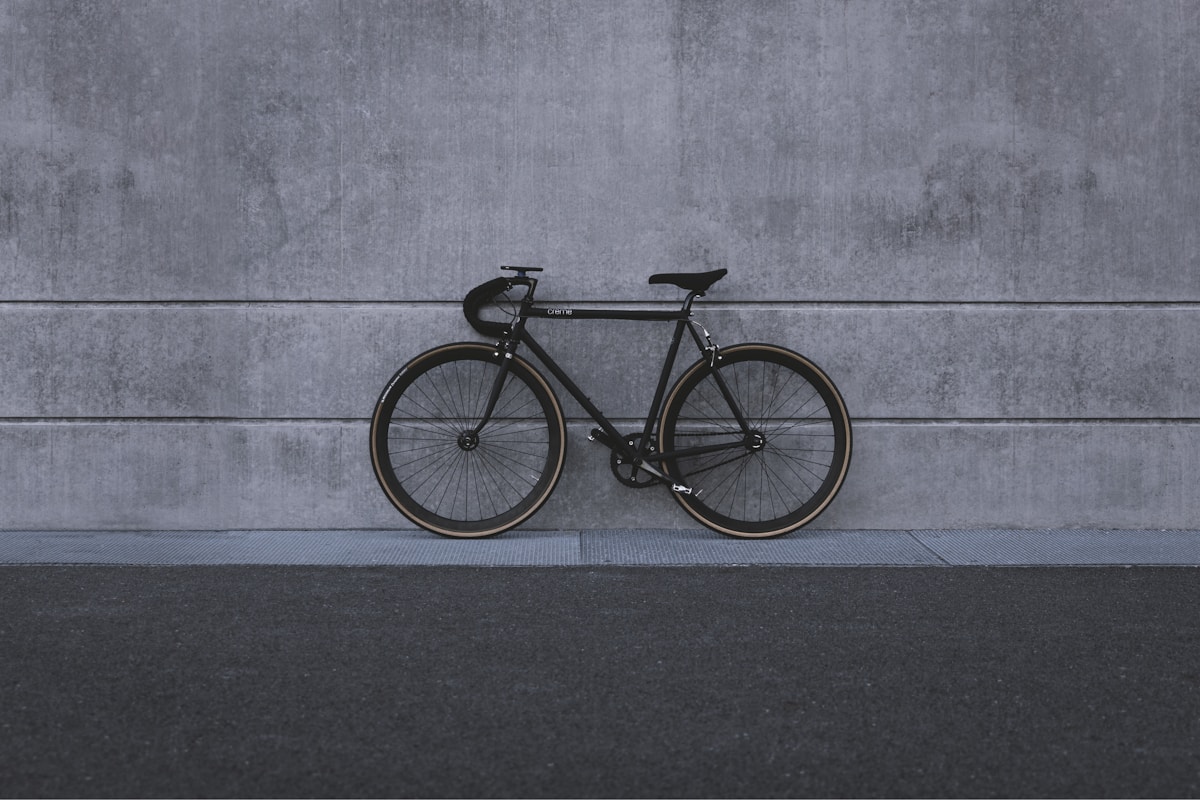
Road bike frame

Material Properties Explained

Aluminum frames use 6061 or 7005 series alloys, with 6061 being more common in performance bikes. The material has a consistent density of about 2.7 g/cm³ and predictable mechanical properties throughout the structure. When you bend an aluminum tube, it responds the same way at every point along its length.

Carbon fiber composite works differently. The frame isn’t solid carbon—it’s thousands of individual fibers suspended in an epoxy resin matrix. The fibers can be oriented in specific directions to provide stiffness where needed and compliance elsewhere. A single tube might contain multiple layers with fibers running at different angles, each contributing to the final ride characteristics.

This directional nature gives carbon its advantage. Engineers can tune the frame to be stiff laterally for efficient pedaling while remaining vertically compliant for comfort. Aluminum can only be made thicker or thinner, stiffer or more flexible, without this directional control.

Weight Differences in Real Products

Marketing often exaggerates weight differences between materials. Looking at actual production frames in the $2,000-3,000 complete bike range, the gap is smaller than advertisements suggest.

A typical aluminum endurance frame weighs 1,100-1,300 grams. The equivalent carbon frame from the same brand runs 900-1,100 grams. That’s a difference of 200-300 grams—less than a full water bottle.

At the high end, the gap widens. Top-tier carbon race frames achieve 700-800 gram weights that aluminum cannot match without becoming too fragile. But these frames cost $3,000-5,000 for the frame alone, putting them outside most budgets.

The weight savings also decrease when you consider complete bike weight. Wheels, components, tires, and finishing kit often determine whether a bike feels light or heavy on the road. A carbon frame with heavy wheels may feel slower than an aluminum frame with premium wheelset.

Stiffness and Power Transfer

Stiffness testing reveals nuanced differences between materials. The relevant measurement is bottom bracket stiffness—how much the BB area deflects under pedaling loads. Higher stiffness means less energy lost to frame flex.

Modern aluminum frames achieve BB stiffness values of 60-80 N/mm. Carbon frames typically measure 70-120 N/mm, with race-oriented models at the higher end. The difference is measurable but not always noticeable to riders.

Here’s the key insight: most riders cannot detect stiffness differences below about 20%. A frame with 70 N/mm stiffness feels essentially identical to one with 80 N/mm for typical riding. Only when differences exceed 25-30% do riders consistently identify the stiffer frame in blind testing.

This means the stiffest aluminum frames and mid-range carbon frames feel similar under power. The differences become apparent at the extremes—ultra-stiff carbon race bikes versus entry-level aluminum frames.

Comfort and Vibration Damping

Carbon’s layup flexibility allows engineers to create frames that filter road vibration while maintaining pedaling stiffness. The chainstays and seatstays can be designed to flex vertically, absorbing bumps before they reach the rider.

Aluminum’s consistent properties make this optimization harder. A flexible aluminum seatstay would also flex laterally, affecting handling. Most aluminum frames compromise toward stiffness, relying on wider tires and seatpost flex for comfort.

Testing with accelerometers mounted to the saddle shows carbon frames typically transmit 15-25% less high-frequency vibration than aluminum equivalents. This translates to reduced hand and saddle numbness on long rides, though the effect varies significantly between specific models.

Tire width affects comfort more than frame material. Switching from 25c to 32c tires provides roughly twice the comfort improvement of upgrading from aluminum to carbon with the same tires. Frame choice matters, but it’s not the primary comfort factor.

Durability and Longevity

Aluminum has a finite fatigue life. Every stress cycle—pedal stroke, bump absorption, braking load—uses a small amount of the frame’s total lifespan. After millions of cycles, aluminum begins developing microscopic cracks that eventually lead to failure.

The practical implication: aluminum frames have a service life of roughly 10-15 years of regular riding before fatigue becomes a concern. High-mileage riders who log 10,000+ miles annually may see issues sooner. Frames don’t fail suddenly—cracks develop gradually and are usually visible before catastrophic failure.

Carbon fiber doesn’t fatigue the same way. The fibers themselves are essentially immune to cyclic loading. Failure occurs when the resin matrix degrades or when impact damage compromises the structure. A carbon frame that isn’t crashed or damaged can theoretically last indefinitely.

However, carbon is more vulnerable to impact damage. A drop, crash, or clamp over-tightening can crack the resin or break fibers without visible external damage. Professional inspection is necessary after any significant impact. Aluminum dents visibly when damaged, making problems easier to identify.

Crash Resistance and Repairability

When crashes happen, the materials respond differently. Aluminum absorbs energy through plastic deformation—it bends and dents. Carbon absorbs energy through fracture—cracks propagate through the material.

Minor crashes often leave aluminum frames rideable. Dents and bends indicate damage but don’t necessarily mean the frame is unsafe. Assessment is visual and straightforward. Significant dents warrant replacement, but small surface marks usually don’t affect structural integrity.

Carbon damage is harder to assess. Impact can cause internal delamination invisible from outside. What looks like a scuff might be structural damage requiring professional inspection with ultrasound or X-ray equipment. Many riders replace carbon frames after crashes out of precaution, even when visible damage is minimal.

Repair is possible for both materials but differs in approach. Aluminum frames can be straightened by skilled builders, though the repair weakens the material. Carbon frames can have damaged sections cut out and new material laminated in, potentially restoring full strength if done correctly.

Cost Analysis Beyond Purchase Price

Initial purchase price favors aluminum. A quality aluminum road bike with 105-level components costs $1,500-2,000. The equivalent carbon frame bike runs $2,500-3,500 from major manufacturers.

Long-term cost consideration shifts the calculation. If an aluminum frame lasts 12 years and a carbon frame lasts 20+ years (barring crash damage), the annual cost of ownership may favor carbon for riders who keep bikes long-term.

Resale value also differs. Carbon frames retain value better percentage-wise, but the absolute dollar loss is often higher because of the higher initial price. A $3,000 carbon bike might sell for $1,500 after five years (50% retention), while a $1,500 aluminum bike sells for $600 (40% retention). The carbon owner loses more money despite the better percentage.

When Aluminum Makes Sense

Several scenarios favor aluminum frames. Budget-constrained riders get better components for the money by choosing aluminum. A $2,000 aluminum bike often has Ultegra where a $2,000 carbon bike has 105.

Commuters and utility cyclists benefit from aluminum’s damage tolerance. Bike rack loading, lock bumps, and daily handling take a toll that aluminum shrugs off. Carbon’s vulnerability to impact makes it less suitable for rough daily use.

Riders who crash frequently or ride in high-risk situations should consider aluminum’s predictable failure modes. Mountain bikers on aggressive trails, criterium racers, and beginners all crash more often. Aluminum’s visible damage indication and lower replacement cost make it practical for these uses.

When Carbon Makes Sense

Performance-focused riders who prioritize weight savings and ride quality find carbon’s advantages worthwhile. The combination of lighter weight and tuned compliance creates a better-feeling bike for those sensitive to such differences.

Long-distance riders and randonneurs benefit from carbon’s vibration damping over multi-hour efforts. The cumulative effect of reduced vibration adds up on 200km rides, reducing fatigue in ways that matter for performance.

Riders who keep bikes long-term and avoid crashes see carbon’s indefinite fatigue life as insurance against future problems. If you ride carefully and maintain your bike well, carbon may outlast your cycling career.

Making Your Decision

Consider your actual use case, not your aspirations. If you ride 2,000 miles per year on good roads and keep your bike for a decade, either material serves well. If you commute daily through traffic with frequent parking challenges, aluminum’s practicality wins. If you’re training for competitive events and obsess over watts saved, carbon’s optimization opportunities matter.

Test ride both materials on the same model if possible. Some brands offer aluminum and carbon versions of identical geometry. The difference may surprise you—either by being larger or smaller than expected.

Remember that frame material is one factor among many. Fit, component choice, wheel selection, and tire width all affect how a bike rides. A perfectly fitted aluminum bike will feel better than a poorly fitted carbon bike, regardless of material properties.

Both materials produce excellent bikes when designed and manufactured well. The choice between them is less about absolute performance differences and more about which trade-offs align with your priorities and budget.

Marco Thompson

Marco Thompson

Author & Expert

Former professional cyclist turned cycling journalist. Marco raced on the European circuit for 8 years before transitioning to writing about the sport he loves. Specializes in bike technology reviews and race analysis.

67 Articles
View All Posts

Subscribe for Updates

Get the latest articles delivered to your inbox.