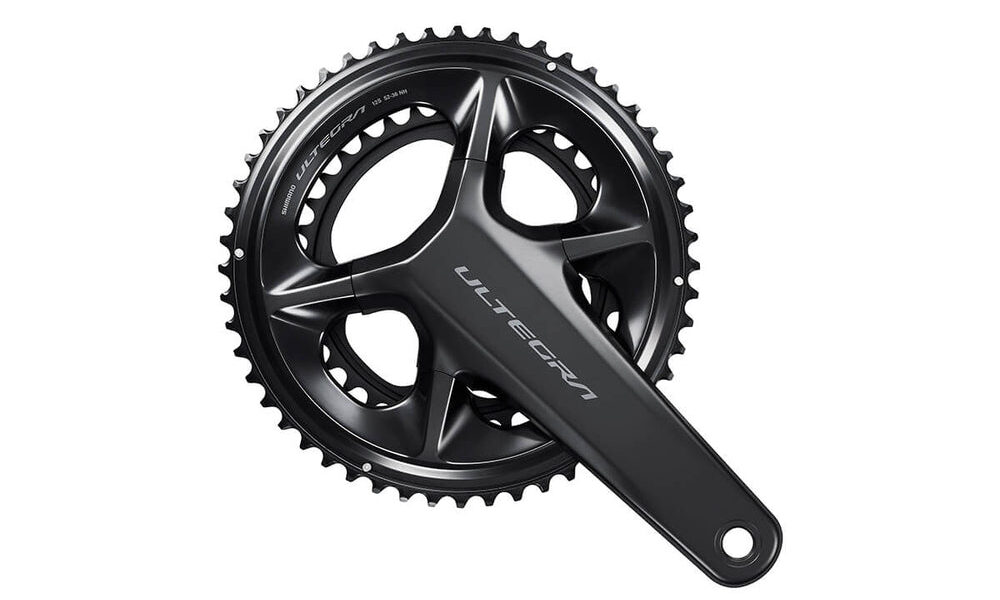
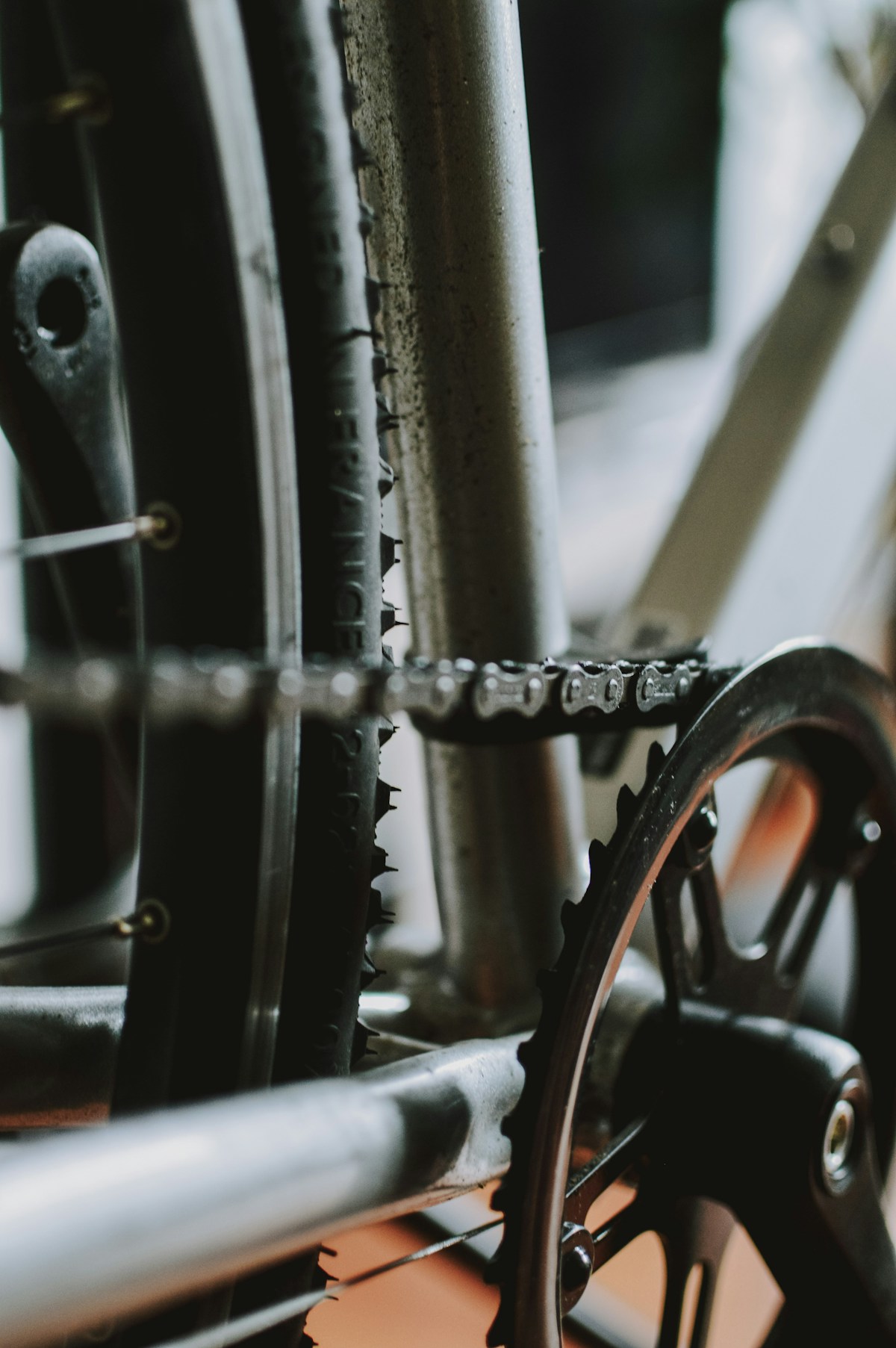
That 2.5mm Nobody Talks About (Until Their Knees Start Complaining)
I’ll be honest with you—I spent three years riding 175mm cranks because that’s what came on my bike. The shop never asked. I never questioned it. Then one day my fitter measured my hip angle and said, “You know you’re basically folding yourself in half every pedal stroke, right?”
Turns out those extra 5mm were costing me power and giving my knees a beating. Welcome to the surprisingly contentious world of crank length.
Wait, Crank Length Actually Matters?
Here’s the thing most cyclists don’t realize: your cranks determine the size of the circle your feet trace. Sounds obvious, but the implications aren’t.
| Crank Length | Circle Diameter | Difference from 170mm |
|---|---|---|
| 165mm | 330mm | -10mm |
| 170mm | 340mm | — |
| 172.5mm | 345mm | +5mm |
| 175mm | 350mm | +10mm |
“Big deal, 10mm,” you might think. But consider this: every time your pedal reaches the top of the stroke, longer cranks force your knee closer to your chest. We’re talking 2-4 extra degrees of knee flexion. Do the math on a 3-hour ride at 90 RPM and that’s 16,200 extra degrees of knee bend compared to shorter cranks.
If you’ve ever wondered why your knees feel fine at mile 20 but angry at mile 50—your cranks might be the culprit nobody’s talking about.

The Leverage Trap (Don’t Fall For It)
I hear this all the time: “Longer cranks = more leverage = more power.”
Technically true. A 175mm crank gives you about 2.9% more torque than a 170mm. But here’s what that logic misses: power isn’t just torque. It’s torque times how fast you can spin.
Longer cranks make it harder to spin fast. So you get more leverage per stroke, but fewer strokes per minute. For most people, it’s a wash—or worse.
What the Research Actually Shows
| Crank Length | Natural Cadence Range | Best For |
|---|---|---|
| 175mm | 80-88 RPM | Low-cadence grinders, track sprints |
| 172.5mm | 85-92 RPM | General road cycling (the “default”) |
| 170mm | 90-100 RPM | High-cadence spinners, aggressive positions |
| 165mm | 95-110 RPM | TT/Tri bikes, compact riders |
Notice how sprinters crushing it on the velodrome use long cranks? They’re producing massive torque for short bursts. But endurance riders spinning for hours? Shorter is often smarter.
Your Hips Are Trying to Tell You Something
Here’s where it gets personal. Every bike fitter worth their salt measures your hip angle at top dead center—that moment when your pedal is at 12 o’clock and your thigh is closest to your torso.
The sweet spot? 65-75 degrees for most road cyclists.
Every 2.5mm of crank length changes your hip angle by about 1-1.5 degrees. Doesn’t sound like much until you realize:
- A 175mm crank might close your hips to 62 degrees
- Switching to 170mm opens that to 66-68 degrees
- Suddenly you’re not fighting your own body anymore
Who Should Really Care About This?
If any of these sound familiar, shorter cranks might be calling your name:
| Scenario | Why Shorter Cranks Help |
|---|---|
| You sit at a desk 8+ hours a day | Tight hip flexors need more room at TDC |
| You’re over 50 | Hip mobility typically decreases with age |
| Anterior hip pain on longer rides | Often a sign of hip impingement at TDC |
| Your natural cadence is 95+ RPM | Shorter cranks make spinning easier |
| You ride an aggressive TT or aero position | More room for your legs in the aero tuck |
The Triathlon Revolution: Why Short is the New Fast
Want proof that crank length matters? Look at what’s happening in triathlon.
When you’re folded into an aero position with your torso nearly horizontal, standard 172.5mm cranks close your hip angle to dangerous levels—sometimes below 55 degrees. Your hip literally can’t move through the pedal stroke properly.
That’s why elite triathletes have gone short. We’re talking:
- 165mm is now common at Kona
- Some pros run 160mm (yes, really)
- The aero gains from a lower position far outweigh any leverage “loss”
Think about it: you can chase 2.9% more torque with longer cranks, or you can drop your CdA and save 20+ watts against the wind. Easy choice.
Forget the Height Charts
You’ve probably seen sizing guides that say:
“Under 5’8″? Get 170mm. Between 5’8″ and 6’0″? Get 172.5mm. Taller? Get 175mm.”
This is… not great advice.
Height alone tells you almost nothing. What actually matters:
- Femur-to-tibia ratio — Long femurs = more hip closure = consider shorter cranks
- Hip mobility — Can you touch your toes? If not, your hips are probably tight
- Riding style — Aggressive position? High cadence? Both favor shorter
I’ve seen 6’2″ riders thrive on 170mm cranks because they have proportionally long femurs and desk-job hips. And I’ve seen 5’6″ track sprinters crushing it on 172.5mm because they need every bit of leverage for those standing starts.
How to Actually Test This (Without Buying 4 Cranksets)
Here’s a practical approach that won’t break the bank:
- Establish your baseline. Do a 20-minute FTP test on your current cranks. Note power, heart rate, cadence, and how your hips/knees feel.
- Borrow or rent adjustable cranks. Companies like ROTOR make cranks with adjustable effective length. Some bike fitters have these for testing.
- Give it time. Ride at least 3-4 sessions of 90+ minutes. Your body needs to adapt—don’t judge after one ride.
- Retest. Same 20-minute effort, same conditions. Compare not just watts, but RPE and how you feel at the end.
Quick Decision Guide
| If You… | Consider |
|---|---|
| Spin at 95+ RPM naturally | Going 2.5-5mm shorter |
| Have hip pain in aero positions | Definitely try shorter |
| Grind at 75-85 RPM | Stay where you are (or go longer) |
| Are switching to a TT bike | 165-170mm, no question |
| Feel fine and have no issues | Don’t change a thing |
The Trend Nobody’s Ignoring Anymore
Talk to any mechanic working with pro tour teams and you’ll hear the same thing: “90% of crank length changes in the last five years have been reductions.”
The era of “longer is stronger” is over. Today’s approach is about:
- Preventing overuse injuries
- Optimizing cadence for sustainable power
- Opening hip angles for better position flexibility
The Bottom Line
If your natural cadence is above 92 RPM and your hip angle at top dead center is below 68 degrees, a 2.5mm reduction will likely improve both comfort and sustainable power.
It’s a small change on paper. But 50 miles into your next century, your knees will thank you.
Have you experimented with crank length? Drop a comment below—I’d love to hear what worked (or didn’t) for you.


Stay in the loop
Get the latest pro bike tech updates delivered to your inbox.