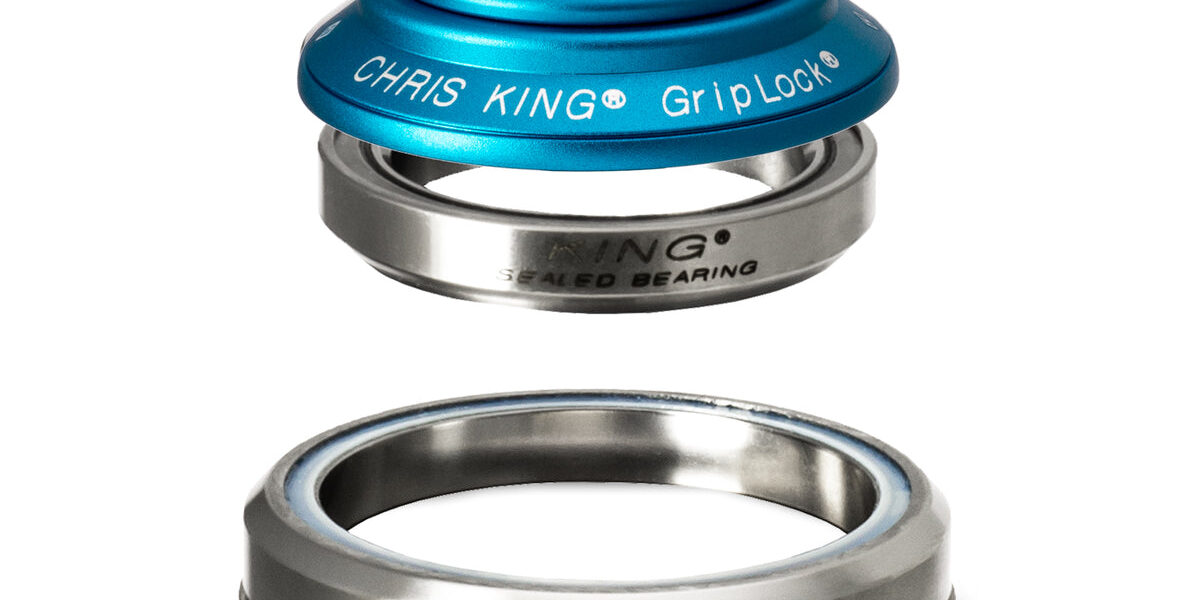
As someone who has maintained and replaced headsets across steel classics, modern carbon race bikes, and everything in between, I learned everything there is to know about where your steering precision lives. Today, I will share it all with you.
Headset Design: Where Your Steering Precision Lives
The headset—bearings, races, and cups that allow your fork to rotate within the frame’s head tube—directly affects steering precision, front-end feedback, and frame aerodynamic integration. Modern headset designs have evolved from serviceable external systems to sleek integrated units, with trade-offs at each step. Understanding these systems helps you maintain existing equipment and make informed decisions on new builds.
External Threaded Headsets: The Classic Approach
Identification: Visible threaded race protruding above the head tube with locknut
Mechanism: Fork steerer threads engage with an adjustable race. Bearing preload is set by threading the race down against the bearings, then locking with a secondary nut.
Advantages: Fully adjustable without specialized tools. Bearings can be upgraded independently. Easy to diagnose and repair. Extremely durable in harsh conditions.
Disadvantages: Visible components add visual weight. Threaded steerers are heavier than threadless. Adjustment can work loose over time. Largely obsolete for performance road applications.
Current use: Vintage restorations, touring bikes, some city/commuter applications. Rarely seen on bikes manufactured after 2000.
External Threadless (Aheadset-Style)
Identification: Press-fit cups visible on head tube exterior, threadless steerer with star-fangled nut or compression plug
Mechanism: Bearings press into cups that sit atop and below the head tube. Stem clamps directly to steerer; top cap compression sets bearing preload before stem bolts are tightened.
Advantages: Lighter than threaded systems. Adjustment requires only Allen keys. Extremely reliable once set. Wide parts availability across all quality tiers.
Disadvantages: Cups remain visible, limiting aerodynamic integration. Requires head tube facing for proper cup installation. Bearing replacement requires cup removal.
Current use: Many modern mountain bikes, aluminum road bikes, gravel bikes, and cyclocross applications. Preferred where serviceability outweighs aerodynamic concerns.
Internal (Integrated) Headsets
Identification: Headset bearings sit inside the head tube; only bearing covers visible externally
Mechanism: Frame head tube is machined with integrated bearing seats. Bearings drop directly into machined surfaces or pressed-in steel rings. No external cups required.
Advantages: Clean aerodynamic integration. Reduced stack height. Lighter total system weight. Modern aesthetic.
Disadvantages: Bearing replacement may require frame-specific parts. Some integrated systems use cartridge bearings with proprietary dimensions. Head tube damage can be difficult or impossible to repair. Tolerance-sensitive—poor machining creates fit issues.
Common standards: IS41 (41mm head tube bore), IS42, IS47, IS52—numbers indicate bore diameter in millimeters. IS41/IS52 is common for tapered steerer forks.
Zero-Stack (Internal Flush)
Identification: Cups press inside the head tube but don’t protrude; bearings sit partially in cups, partially in head tube
Mechanism: Cups press-fit into head tube bore, with bearing seats machined into cups rather than frame. Allows integrated aesthetics with replaceable cups.
Advantages: Combines integrated appearance with serviceable cups. Damaged seats can be replaced without frame repair. More forgiving of manufacturing tolerances than true integrated.
Disadvantages: Requires proper cup pressing tools for service. Stack height slightly higher than true integrated. Cup availability varies by diameter.
Common standards: ZS44, ZS49, ZS56—similar naming convention to integrated standards.
Bearing Types Within Systems
Regardless of headset style, bearing choice affects performance:
Loose ball bearings: Individual steel balls in a caged retainer. Adjustable, serviceable, inexpensive. Sensitive to proper preload—too tight causes stiffness, too loose creates play.
Cartridge bearings: Sealed units with inner race, outer race, balls, and seals as one assembly. Replace entire unit when worn. Less sensitive to adjustment but less serviceable. Standard on most quality headsets.
Angular contact cartridges: Bearings designed for combined radial and axial loads. Superior for headset applications where turning creates both load types. Chris King, Cane Creek, and premium headsets use angular contact designs.
Maintenance and Diagnosis
Headset problems manifest as:
- Notchy steering: Bearing pitting from impact loads or contamination. Solution: bearing replacement.
- Creaking: Loose cups, worn races, or contaminated bearings. Solution: remove, clean, regrease, check torque specifications.
- Play/knock: Insufficient preload or worn bearings. Solution: adjust preload; replace if wear is visible.
- Stiff steering: Over-tightened preload or seized bearings. Solution: back off preload, verify bearing condition.
Annual headset service is recommended—more frequently in wet conditions or for riders who frequently wash their bikes from above (water intrusion through top cap).
Purchasing Considerations
When replacing or specifying headsets:
- Verify your frame’s head tube dimensions (diameter and height)
- Confirm steerer diameter (1 1/8″ straight, 1 1/8″ to 1 1/2″ tapered, or proprietary)
- Choose angular contact bearings for road and gravel applications
- Select stainless steel bearings for wet-climate use
- Prioritize quality seals—Chris King, Cane Creek 40/110, Hope—over budget options
A quality headset from established manufacturers costs $80-200 and outlasts multiple bearing replacements. Budget headsets save money initially but require frequent replacement or suffer from poor manufacturing tolerances. For a component that affects every steering input you make, premium headset investment pays dividends in precision and longevity.

Stay in the loop
Get the latest pro bike tech updates delivered to your inbox.