As someone who worked at a bike shop through college and spent years untangling this stuff for customers, I learned everything there is to know about who makes what. Today, I will share it all with you.
I get this question surprisingly often, usually from newer cyclists confused by the proliferation of brands in their local bike shop. Short answer: no, “Pro Gear” or “Pro Bike Gear” is not owned by Shimano. They’re not even related. But the confusion is understandable, so let’s clear it up.
Who Is Shimano?
Shimano is a Japanese company founded in 1921, originally making freewheels for bicycles. Today they’re the world’s largest manufacturer of bicycle components, producing everything from entry-level commuter parts to professional-grade racing equipment.
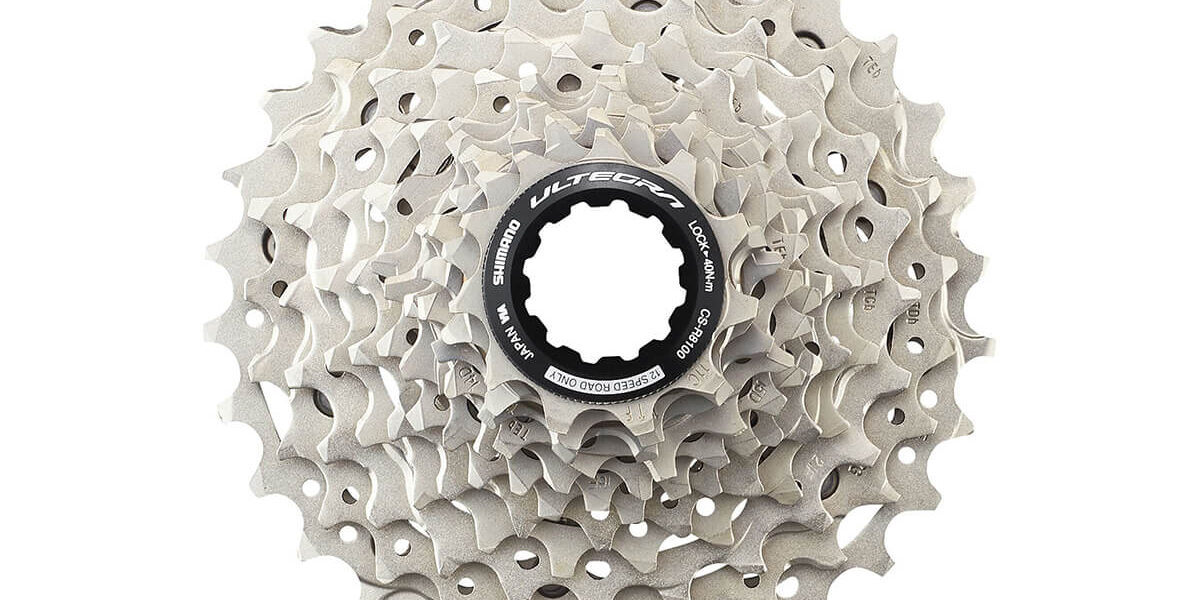
They also make fishing tackle, which surprises people. The company employs over 12,000 people globally and reported revenue exceeding $4 billion in recent years. When you see Dura-Ace, Ultegra, 105, or Tiagra components on a bike, that’s all Shimano.
What About “Pro Gear” or “Pro Bike Gear”?
These are typically generic brand names used by various manufacturers and retailers for budget cycling products. They’re not a single company. You’ll find “Pro Gear” labeled items at department stores, Amazon marketplace sellers, and discount retailers.
The quality varies wildly because there’s no consistency—different factories in different countries produce products under similar-sounding names. Some might be perfectly adequate for casual use. Others are genuinely unsafe.
How to Tell the Difference
Genuine Shimano products always carry clear Shimano branding and specific model names. A Shimano rear derailleur will say “Shimano” prominently along with its series name like “105” or “Deore.” The part numbers start with specific prefixes depending on the product category.
Generic “Pro Gear” type products usually have vague branding, no specific model lineage, and often copy the appearance of name-brand components without the engineering behind them.
Does Brand Really Matter?
For some components, absolutely. Brakes, for instance—I wouldn’t trust no-name brake calipers on a bike I’m descending mountain passes on. The consequences of failure are too severe.
For other parts like water bottle cages, handlebar tape, or saddle bags? Brand matters less. A generic bottle cage that holds your bottle works just as well as a $50 carbon one.
The cycling industry has a lot of brand snobbery. But it also has legitimate quality and safety differences between products. Learning which is which takes time and experience.
Other Major Component Manufacturers
If you’re trying to understand the landscape beyond Shimano and random generic brands:
SRAM – American company, Shimano’s main competitor for drivetrains. Makes Red, Force, Rival, and Apex groupsets. Different shifting mechanism (DoubleTap vs. Shimano’s separate brake/shift levers).
Campagnolo – Italian, the oldest name in high-end components. Beautiful stuff, expensive, and harder to find in the US. Super Record, Record, Chorus, and Potenza groupsets.
FSA/Vision – Makes cranksets, handlebars, and finishing kit. Often found as OEM spec on mid-range bikes.
Microshift – Budget-friendly alternative that’s actually decent. Their Advent X groupset is popular on entry-level gravel bikes.
My Advice for New Cyclists
Buy a complete bike from a reputable brand rather than trying to piece together components from unknown sources. The major bike manufacturers (Trek, Specialized, Giant, Cannondale, and many others) use components that work safely and reliably together.
If you do buy individual components, stick to established names for anything safety-critical. For accessories and wear items, feel free to experiment with budget options and learn what works for you.


Stay in the loop
Get the latest pro bike tech updates delivered to your inbox.