As someone who has chased optimal saddle position across road bikes, TT rigs, and gravel machines, I learned everything there is to know about this often-ignored variable. Today, I will share it all with you.
Seatpost Setback: The Position Variable You’re Probably Ignoring
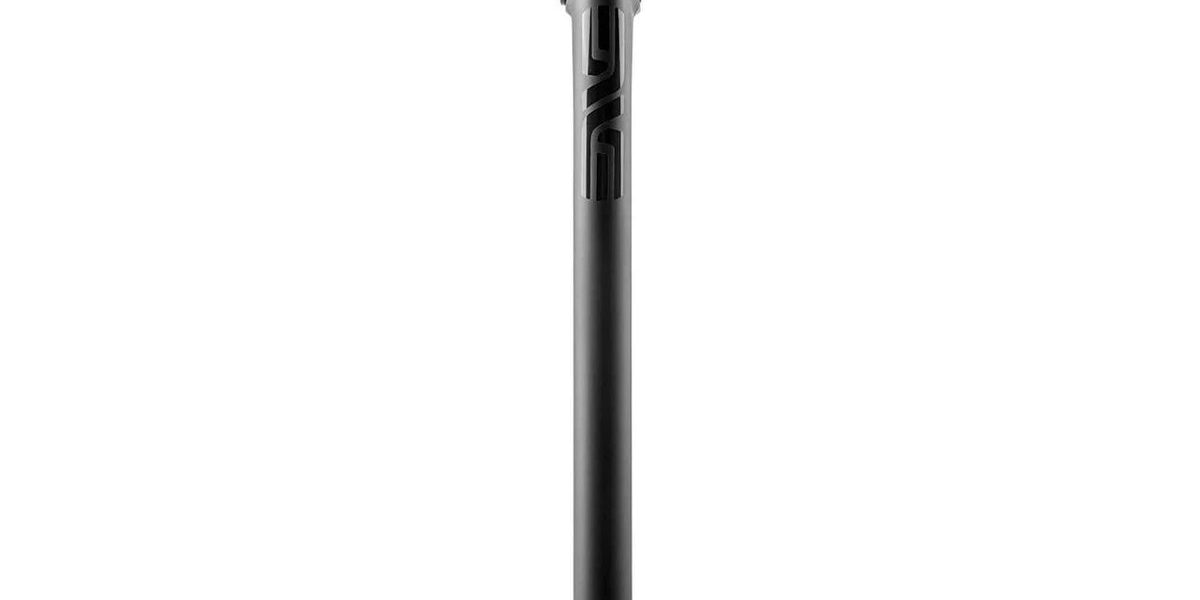
Seatpost setback—the horizontal offset between the center of the seatpost clamp and the saddle rail clamping point—ranges from 0mm (inline) to 25mm+ (traditional offset). This single measurement affects hip angle, knee tracking, power phase mechanics, and upper body reach more directly than almost any other component specification. Yet many riders never consider it when optimizing position.
Understanding Knee-Over-Pedal-Spindle
Traditional bike fitting used KOPS (Knee Over Pedal Spindle) as a primary reference: with cranks horizontal, a plumb line from the tibial tuberosity should intersect the pedal axle. This method has limitations but provides useful context for setback discussion.
0mm setback (inline post): Positions saddle forward relative to bottom bracket, shifting knee in front of pedal spindle (FKOPS position). Hip angle opens, quad engagement increases, forward weight distribution rises.
25mm setback (traditional offset): Positions saddle rearward, placing knee behind pedal spindle (BKOPS position). Hip angle closes, glute and hamstring engagement increases, weight shifts toward rear wheel.
Most riders optimize somewhere in this range—the key is matching setback to your biomechanics and riding objectives.
The Biomechanical Trade-Offs
Forward positions (0-10mm setback):
- Open hip angle (75+ degrees at top dead center)
- Increased quadriceps engagement during power phase
- Higher sustained cadence preference (95+ rpm)
- Reduced reach to handlebars
- More weight on front wheel
- Favored by: time trialists, triathletes, high-cadence riders, riders with longer femurs
Rearward positions (20-25mm setback):
- Closed hip angle (68-73 degrees at TDC)
- Increased hamstring and glute recruitment
- Lower cadence, higher torque style (80-90 rpm)
- Extended reach to handlebars
- More weight on rear wheel
- Favored by: climbers, low-cadence power riders, riders with shorter femurs, traditional road racers
Femur Length: The Primary Driver
Riders with proportionally long femurs relative to their tibias typically need more saddle setback to achieve efficient pedaling mechanics. The longer the thigh bone, the further back the saddle must move to keep the knee from traveling excessively forward during the downstroke.
A simple assessment: with saddle at proper height, sit on the bike in riding position with cranks at 3 o’clock (forward). Have someone photograph from the side. If your knee extends well forward of the pedal spindle, you may benefit from increased setback. If your knee is behind the spindle, reduced setback (inline post) might improve your position.
Discipline-Specific Norms
Time trial/triathlon: 0-10mm setback typical. UCI regulations require saddle nose no more than 5cm forward of bottom bracket center, but aggressive positions push this limit. Inline posts are standard equipment.
Road racing: 15-25mm setback traditional. Modern aero road bikes increasingly ship with inline or low-setback posts to shorten reach, requiring attention during fitting.
Gran fondo/endurance: 20-25mm setback common. Rearward position opens hip angle slightly, reducing stress over multi-hour efforts.
Track cycling: Variable by event. Pursuiters run forward; sprinters run rearward for maximum torque application.
Seatpost Compatibility Concerns
Seatpost setback options depend on your frame’s seat tube angle and available posts:
Steep seat tube angles (74-76 degrees): Common on aero road bikes. May require inline posts to achieve forward position, or significant setback posts to achieve neutral position. Check saddle rail adjustment range.
Moderate seat tube angles (72-74 degrees): Standard road geometry. 15-25mm setback posts typically position saddle appropriately. Most flexible for adjustment.
Slack seat tube angles (70-72 degrees): Seen on some endurance and gravel frames. May require inline posts to bring saddle forward sufficiently.
If your frame’s geometry requires extreme saddle rail positioning to achieve comfort, you likely need a different setback post rather than maxing out rail adjustment.
The Measurement Process
To assess your current effective setback:
- Place bike on level surface
- Drop plumb line from saddle nose
- Measure horizontal distance to bottom bracket center
- Compare to target range: 2-6cm behind BB center is typical for road riding
Alternatively, use a digital inclinometer and known seat tube angle to calculate effective saddle position mathematically.
Changing Setback: What Else Changes
Seatpost setback changes ripple through your entire fit:
- Reach: 10mm setback change equals approximately 10mm reach change—may require stem swap
- Saddle height: Moving saddle forward raises effective height; moving back lowers it—plan to readjust
- Drop: Center of gravity shift affects bar drop perception
- Weight distribution: Handling characteristics change subtly
Finding Your Optimal Setback
Start with your current position and adjust incrementally (5mm at a time). Ride 2-3 sessions at each position, noting pedaling efficiency, comfort, and handling. Power meter data can reveal output changes, but perceived exertion and sustainable effort tell the complete story.
The 0-25mm setback range represents significant position variation. Most riders benefit from professional fitting to dial in this variable, as the interaction with other fit parameters makes self-optimization challenging. But understanding what setback affects—and why—helps you communicate with fitters and make informed equipment decisions.


Stay in the loop
Get the latest pro bike tech updates delivered to your inbox.