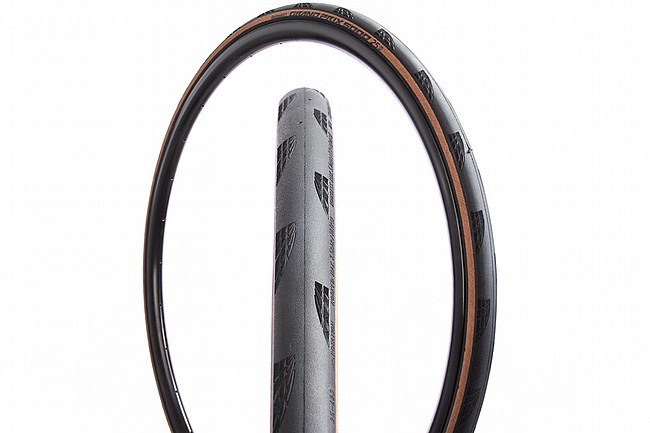
Tire Pressure Optimization: Beyond the Sidewall Numbers
The maximum pressure printed on your tire sidewall is a liability limit, not a performance recommendation. Professional riders and their mechanics have long understood that optimal tire pressure depends on rider weight, tire width, terrain, and conditions—variables that a single stamped number cannot address. Here’s how the pros actually calculate their pressures.
The Foundation Formula
The starting point for tire pressure calculation considers total system weight (rider plus bike plus gear) and tire width. For a 73 PSI recommendation—the number you asked about—here’s the typical rider profile:
- Total system weight: 80-85 kg (176-187 lbs)
- Tire width: 28mm
- Terrain: Mixed pavement with occasional rough patches
- Distribution: 73 PSI rear, 68-70 PSI front
This baseline shifts approximately 1.5 PSI per 2.5 kg of system weight change, and 4-6 PSI per 2mm of tire width change.
The Weight Distribution Factor
Weight distribution on a road bike typically falls 45% front, 55% rear—but this varies with position aggressiveness. The rear tire should run 5-8% higher pressure than the front to account for this loading difference.
Calculated example for 75 kg rider on 28mm tires:
- Front tire load: ~34 kg
- Rear tire load: ~41 kg
- Optimal front pressure: 65-68 PSI
- Optimal rear pressure: 70-73 PSI
The Rolling Resistance Reality
Counter to decades of cycling wisdom, lower pressures often produce less rolling resistance on real roads. The explanation: tire deformation absorbs surface irregularities, while overinflated tires bounce over imperfections, wasting energy in vertical displacement.
Testing data from specialized tire laboratories shows optimal rolling resistance typically occurs 10-20% below maximum pressure ratings. For a tire rated to 120 PSI maximum, the sweet spot falls between 96-108 PSI for pure rolling resistance—but grip, comfort, and puncture resistance shift this calculation further.
Professional Team Pressure Charts
Pro mechanics use laminated pressure charts in team cars. Here’s a representative excerpt for 28mm tubeless tires:
| Rider Weight (kg) | Front PSI | Rear PSI |
|---|---|---|
| 55-60 | 55-58 | 58-62 |
| 60-65 | 58-62 | 62-66 |
| 65-70 | 62-66 | 66-70 |
| 70-75 | 65-68 | 70-73 |
| 75-80 | 68-72 | 73-77 |
| 80-85 | 72-75 | 77-82 |
| 85-90 | 75-78 | 82-86 |
These numbers assume dry pavement and moderate surface quality. Adjust down 5-8% for wet conditions (improved grip outweighs rolling resistance penalty) and up 3-5% for exceptionally smooth surfaces.
Tubeless vs. Tubed Adjustments
Tubeless tires allow lower pressures without pinch flat risk. The typical reduction: 8-12 PSI compared to tubed equivalents. A rider running 73 PSI tubed can often run 63-65 PSI tubeless with equivalent protection and improved rolling characteristics.
The sealant inside tubeless tires adds approximately 30-50 grams of rotating weight, but the pressure reduction more than compensates through improved road contact and vibration damping.
Surface Quality Multipliers
Adjust your baseline pressure based on predominant road surface:
- Fresh pavement, velodrome: +5-8 PSI (maximize contact patch efficiency)
- Good quality roads: Baseline pressure
- Mixed quality, chip seal sections: -3-5 PSI
- Poor quality, rough pavement: -5-10 PSI
- Gravel or unpaved: -15-25 PSI (dependent on tire construction)
The Testing Protocol
Dial in your personal optimal pressure with this method:
- Start with the weight-based chart recommendation
- Ride a familiar 30-minute loop, noting comfort and handling
- Reduce pressure by 5 PSI front and rear
- Repeat the loop, comparing sensations
- Continue reducing until you notice handling degradation or rim strikes
- Your optimal pressure is 3-5 PSI above that failure point
Temperature Compensation
Tire pressure increases approximately 2% per 10 degrees Fahrenheit of temperature rise. A tire inflated to 73 PSI in a 65-degree garage reads approximately 78 PSI after warming up on a 95-degree day. Account for this in hot weather racing—inflate 3-5 PSI below target when starting cold.
The 73 PSI figure represents one point on a complex optimization curve. Your optimal pressure accounts for your weight, your tires, and your terrain. Treat pressure as a tunable variable, not a fixed specification, and you’ll find measurable improvements in speed, comfort, and control.

Stay in the loop
Get the latest pro bike tech updates delivered to your inbox.