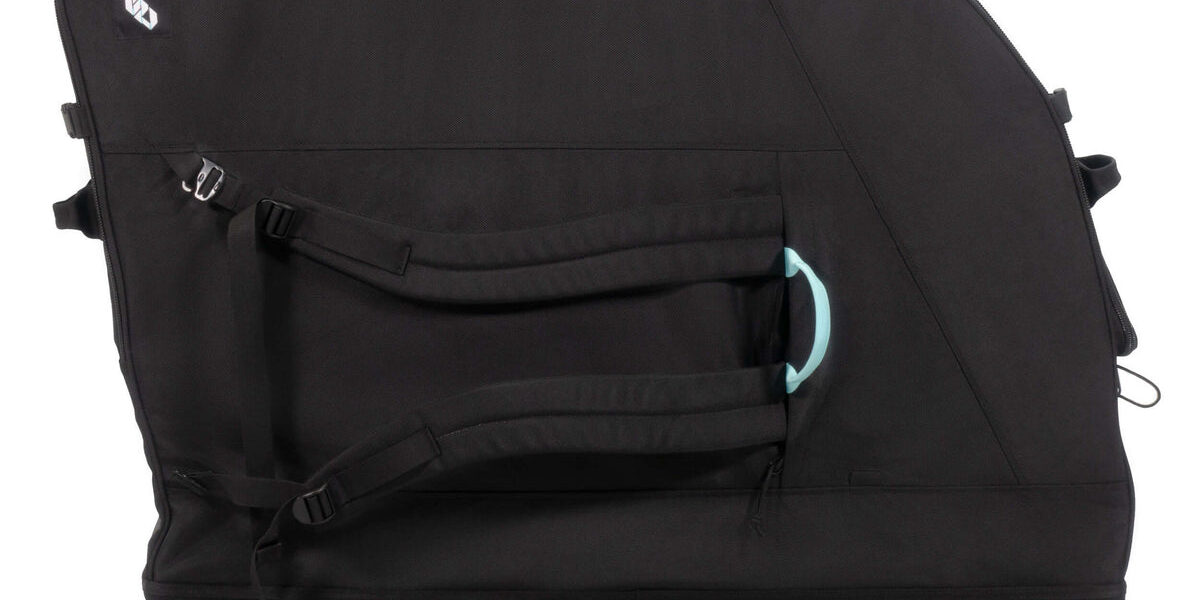
As someone who has traveled internationally with my race bikes more times than I care to count, I learned everything there is to know about protecting your investment at 35,000 feet. Today, I will share it all with you.
Bike Travel Cases: Protecting Your Investment at 35,000 Feet
Flying with a $5,000 to $15,000 bicycle requires equipment that matches the stakes. The travel case market ranges from $100 soft bags to $800 hard cases, each with distinct protection levels, weight penalties, and airport handling realities. Understanding case construction, packing techniques, and airline policies helps you arrive race-ready instead of scrambling for replacement parts.
Hard Cases: Maximum Protection
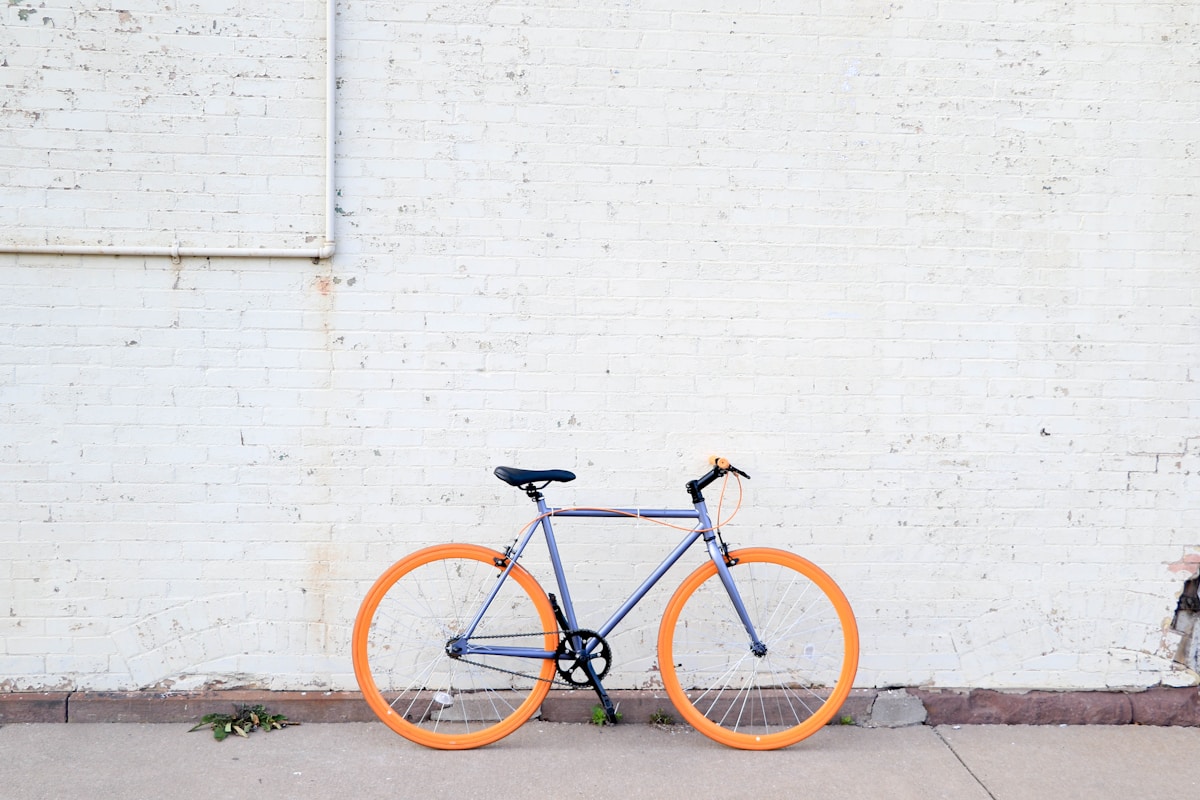
Molded hard cases (Scicon AeroComfort, Bike Box Alan, BikeBoxOnline) provide rigid exterior shells with foam-lined interiors.
Construction:
- ABS or polycarbonate shell with reinforced corners
- Internal wheel pockets or straps
- Foam cradles for frame protection
- Integrated TSA-approved locks
- Weight: 25-35 lbs empty
Advantages:
- Survives airport handling abuse—stacking, drops, conveyor impacts
- Internal organization keeps components separated
- Reusable for hundreds of trips
- Confidence when checking—your bike will survive
Disadvantages:
- Heavy—adds significant overweight fees on weight-sensitive airlines
- Bulky storage when not traveling
- High purchase cost ($400-800)
- Still requires careful internal packing
Soft Cases: The Weight Savings Option
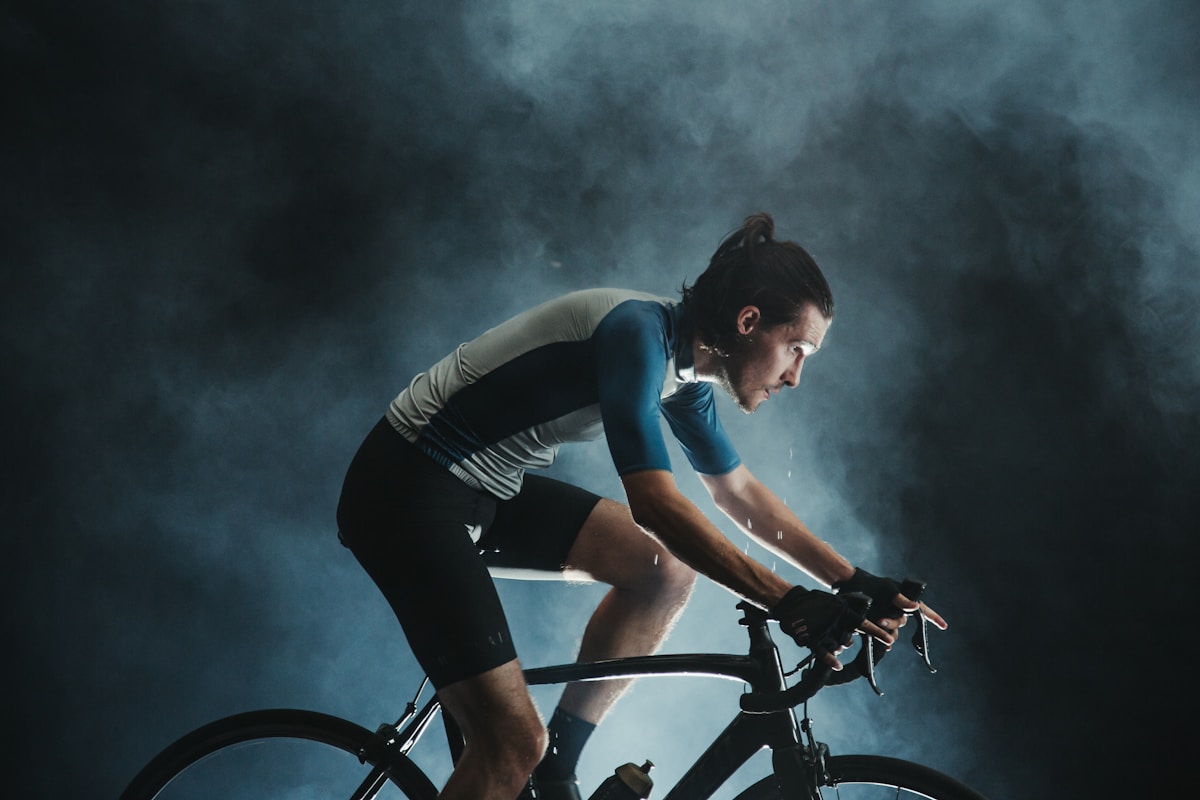
Padded soft cases (Scicon Travel Plus, Evoc Bike Travel Bag, Orucase Airport Ninja) use fabric exteriors with internal padding.
Construction:
- Ballistic nylon or Cordura exterior
- Variable-density foam padding
- Internal straps and pockets
- Integrated wheels and handles
- Weight: 12-22 lbs empty
Advantages:
- 10-15 lbs lighter than hard cases—often avoids overweight fees
- Compressible storage when empty
- Lower purchase cost ($200-500)
- Easier to maneuver in tight spaces
Disadvantages:
- Less protection from impact and crushing
- Fabric can be punctured by sharp objects
- Requires more careful internal padding by user
- Wheels and handles receive less protection
Semi-Hard Cases: The Middle Ground
Semi-rigid cases (EVOC Bike Travel Bag Pro, Biknd Jetpack) combine soft sides with rigid structural elements.
Construction:
- Reinforced frame or skeleton providing impact resistance
- Padded fabric panels between structural elements
- Internal bike cradles or mounting systems
- Weight: 18-28 lbs
These represent viable compromise for frequent travelers wanting protection without hard case weight penalties.
Bike Disassembly Protocol
Regardless of case type, proper disassembly protects components:
Required removal:
- Wheels (obviously)—wrap in padded wheel bags or case-specific pockets
- Pedals—prevent crankarm damage, pack separately
- Rear derailleur—remove and tape to chainstay (most vulnerable component)
- Quick releases or thru-axles—secure separately to prevent loss
Recommended removal:
- Handlebars—loosen stem and rotate bars alongside frame (prevents hood damage)
- Seatpost—lower or remove (prevents seat tube damage from side impacts)
- Computer and accessories—pack in carry-on (theft prevention and damage avoidance)
Tire pressure:
- Reduce pressure to 50-60% of riding pressure
- Altitude-related pressure increase at 35,000 feet can damage tires or unseat beads
- Inflate to riding pressure upon arrival
Internal Protection Strategy
Frame protection:
- Foam pipe insulation on downtube, top tube, seat stays
- Bubble wrap around head tube and bottom bracket
- Frame pads covering any contact points between bike and case
Wheel protection:
- Wheel bags prevent spoke damage and rotor contact
- Position wheels on opposite sides of frame when possible
- Rotor covers prevent edge damage (disc brakes)
Drivetrain protection:
- Derailleur guard or padding around removed derailleur
- Chain keeper or old hub keeping chain tensioned
- Chainring cover preventing tooth damage
Airline Considerations
Standard checked bag: Most airlines accept bike boxes as standard checked luggage if under 62 linear inches (length + width + height). Verify your case meets this threshold.
Oversize fees: Cases exceeding 62 linear inches incur $75-200 oversize charges each direction.
Weight limits: Most airlines allow 50 lbs before overweight fees. Hard case + bike often exceeds this. Know your total packed weight.
Bicycle-specific policies: Some airlines (particularly European carriers) charge flat bicycle fees regardless of weight/size. Research carrier-specific policies before booking.
Case Recommendations by Use Case
Frequent racers (10+ trips/year): Premium hard case (Scicon AeroTech Evolution, BikeBoxOnline) justified by protection and longevity. Accept weight fees as cost of doing business.
Occasional travelers (2-5 trips/year): Quality soft case (Evoc Bike Travel Bag, Orucase) balances protection with weight savings. Careful packing compensates for less rigid structure.
Budget-conscious travelers: Cardboard bike boxes (from bike shops, free) with thorough internal padding. Requires more preparation but zero case cost.
Insurance and Documentation
- Photograph your packed bike before closing case (timestamp documentation)
- Note serial numbers and component details
- Verify homeowner’s or renter’s insurance covers bicycle travel damage
- Consider specialized bicycle travel insurance for high-value machines
- Keep receipts for all components in case of damage claim
Arrival Protocol
- Inspect case exterior before leaving baggage claim—photograph any damage
- Report damage immediately to airline representative (get written acknowledgment)
- Unpack and inspect bike carefully at destination—document any issues
- Test ride before race day to verify function
- Allow time for mechanical adjustment if needed
The best travel case is one that matches your travel frequency, budget, and risk tolerance. Your bicycle survived the development, training, and preparation to reach this race. Protect that investment with appropriate equipment for the journey.


Stay in the loop
Get the latest pro bike tech updates delivered to your inbox.