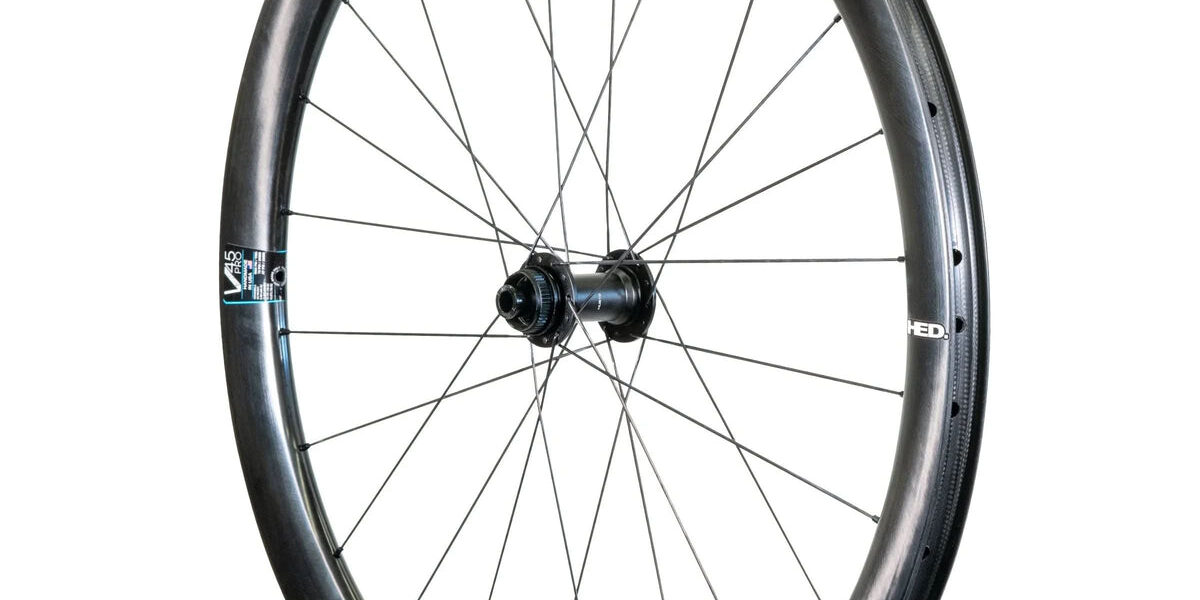
Wheel Depth Selection: Aerodynamics Meets Real-World Conditions
The choice between 40mm and 80mm deep wheels encapsulates cycling’s eternal tension between laboratory performance and practical application. Wind tunnel data clearly favors deeper profiles—until you factor in crosswinds, handling confidence, and the specific demands of your riding. Understanding when depth helps and when it hurts separates informed equipment choices from expensive mistakes.

The Aerodynamic Baseline
In controlled wind tunnel conditions with zero crosswind, deeper wheels consistently outperform shallower profiles. Quantified at 45 km/h:
- 40mm deep: 4-6 watts savings versus box-section rim
- 50mm deep: 7-10 watts savings
- 60mm deep: 10-14 watts savings
- 80mm deep: 14-18 watts savings
- Disc rear: 18-25 watts savings
These numbers assume matched tire widths, similar weight, and identical hub quality. The diminishing returns beyond 60mm depth become apparent—you’re gaining 4-8 watts for doubling your crosswind susceptibility.
The Yaw Angle Reality
Real-world riding involves crosswinds that create yaw angles between wind direction and wheel travel direction. Here’s where shallow wheels reclaim ground:
At 0-5 degree yaw (near headwind): Deeper is universally better. The 80mm wheel maintains its 14-18 watt advantage.
At 5-10 degree yaw: Most aerodynamic wheel designs perform optimally. The 80mm wheel extends its advantage to 20+ watts as airflow “sails” around the rim profile.
At 10-15 degree yaw: Deep wheels experience steering forces. Riders report 2-4 kg of steering input required to maintain line. Watt savings remain positive but handling degradation begins.
Above 15 degree yaw: Deep wheels become liabilities. The 80mm profile generates destabilizing forces that require constant correction, burning watts through steering micro-adjustments and rider tension.
Crosswind Force Quantified
Wind tunnel data on lateral forces tells the handling story:
- 40mm wheel at 20 mph crosswind: 1.2 kg lateral force
- 60mm wheel at 20 mph crosswind: 2.8 kg lateral force
- 80mm wheel at 20 mph crosswind: 4.5 kg lateral force
A 4.5 kg lateral force on the front wheel creates noticeable steering deflection. On exposed ridges or bridge crossings, this force arrives suddenly as gusts, requiring immediate correction. Lighter riders (under 65 kg) and those with less upper body stability find deep wheels particularly challenging.
The Modern Design Compromise
Wheel designers have addressed crosswind handling through rim shape evolution. The key development: wider rims (19-21mm internal width) paired with toroidal rim profiles that manage airflow transition at higher yaw angles.
A modern 50mm wheel often handles crosswinds better than a five-year-old 40mm wheel due to these aerodynamic advances. When comparing wheel depths, rim shape matters as much as depth measurement.
Terrain-Specific Recommendations
Flat, sheltered routes (criteriums, closed circuits): 60-80mm depth optimal. Crosswind exposure is predictable, speed benefits compound over repeated laps. Front wheel can match rear depth.
Rolling terrain, mixed exposure: 50-60mm all-around choice. Balances climbing weight penalty against aero benefits on descents and flats.
Mountainous routes: 40-50mm maximum. Weight savings at elevation matter more than aero at climbing speeds. Descents in mountain passes involve unpredictable crosswinds—stability trumps marginal time gains.
Windy coastal/plains routes: 40mm or shallower. Constant crosswind management fatigue negates aerodynamic benefits. Some riders prefer traditional box-section wheels for these conditions.
The Split-Depth Strategy
Professional riders and experienced amateurs often run mismatched depths: deeper rear, shallower front. Common pairings:
- 40mm front / 60mm rear: All-around versatility, suitable for most conditions
- 50mm front / 80mm rear: Time trial and triathlon standard
- 60mm front / disc rear: Maximum aero for controlled conditions only
The rear wheel contributes roughly 60% of a wheelset’s aerodynamic benefit while generating less destabilizing force (positioned behind the steering axis). Running a deeper rear with shallower front captures most aero gains while maintaining control.
Weight vs. Aero: The Speed Crossover
Deeper wheels typically weigh 100-300 grams more than shallower equivalents. This weight penalty favors shallow wheels at climbing speeds (under 20 km/h) where aerodynamics contribute minimally. The crossover point—where aero benefits equal weight penalty—typically occurs around 28-32 km/h.
If your average moving speed exceeds 32 km/h, deeper wheels improve performance. Below that threshold, shallow wheels and the weight savings they provide produce equivalent or better results.
The Practical Decision
For riders new to aerodynamic wheels, start at 40-50mm. Learn how rim depth affects handling across conditions. Graduate to deeper profiles only after you’ve experienced how crosswinds affect your control and confidence.
The fastest wheel is the one you ride confidently. An 80mm wheel that creates tension and hesitation in crosswinds costs more watts in rider stress than it saves in aerodynamics. Match depth to your conditions, your weight, and your handling comfort—not to what faster riders run.

Stay in the loop
Get the latest pro bike tech updates delivered to your inbox.