As someone who worked at a bike shop through college and upgraded my own bikes more times than my wallet appreciates, I learned everything there is to know about what actually matters in these components. Today, I will share it all with you.
Walk into any bike shop and you’ll hear names thrown around like they’re common knowledge: Tiagra, 105, Ultegra, Dura-Ace. If you’re new to road cycling, this alphabet soup of groupset names can feel deliberately confusing.
The Hierarchy from Bottom to Top
Shimano’s road groupsets, ranked by price and intended use:
Claris (R2000) – Entry level, 8-speed. Found on bikes under $800. Does the job, nothing more.
Sora (R3000) – Budget-friendly 9-speed. Reliable workhorse for commuters and casual riders.
Tiagra (R4700) – 10-speed with some trickle-down tech from higher groups. The sweet spot for many recreational riders.
105 (R7000/R7100) – 11 or 12-speed. This is where “real” road bike performance begins for most enthusiasts.
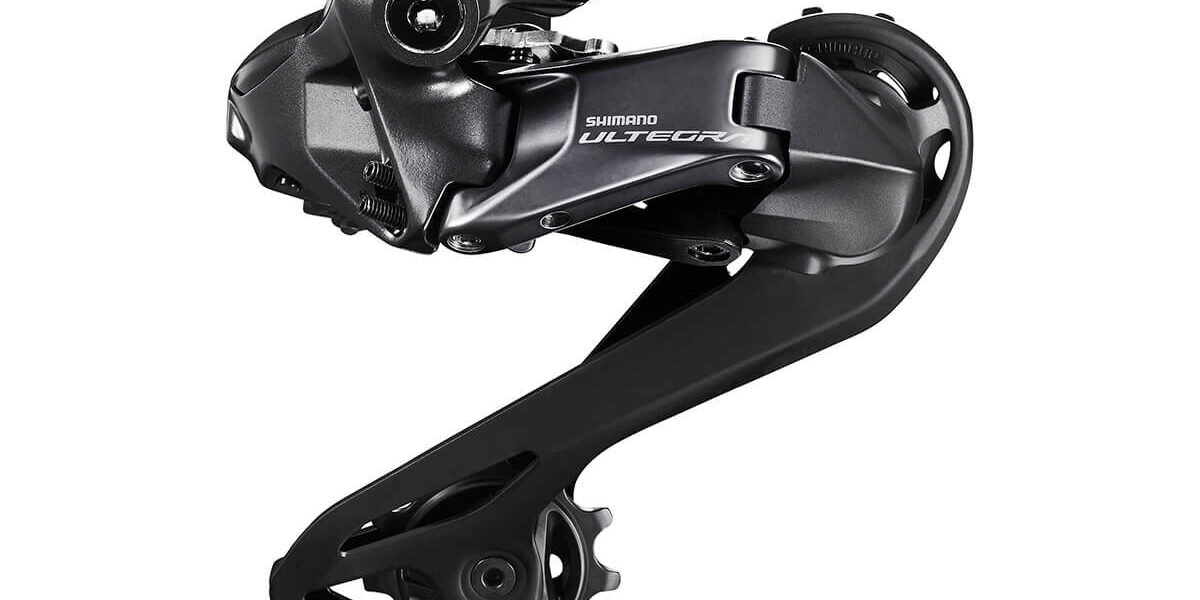
Ultegra (R8000/R8100) – 11 or 12-speed. Race-ready performance at a reasonable weight penalty vs. Dura-Ace.
Dura-Ace (R9100/R9200) – 11 or 12-speed. Pro-level. Marginal gains over Ultegra for significantly more money.
The Real Differences That Matter
Here’s something bike marketing won’t tell you: the functional difference between a well-adjusted Tiagra and Dura-Ace is smaller than most people imagine. They all shift. They all brake. The sun still rises.
That said, real differences exist:
Shift Quality
Higher-end groups shift faster and more precisely. Dura-Ace Di2 shifts are almost telepathic—think the shift, and it happens. Claris requires more deliberate lever throws and occasionally refuses to drop into the big ring under load.
For casual riding? Doesn’t matter. For racing or group rides where you need to respond instantly to attacks? It matters.
Weight
A complete Dura-Ace R9200 Di2 groupset weighs about 2,438g. Tiagra R4700 comes in around 3,200g. That’s roughly 750g difference—less than two water bottles. Spread across your entire bike.
Unless you’re racing at a high level, this weight difference is meaningless. Losing 5 pounds off your body does more than any groupset upgrade.
Durability
This one’s counterintuitive: mid-range groups often outlast top-tier stuff. Dura-Ace chains and cassettes use lighter materials that wear faster. I’ve seen 105 cassettes with 15,000 miles on them. Most Dura-Ace cassettes are toast by 8,000.
If you ride year-round through rain and road grime, Ultegra or 105 is actually the smarter choice than Dura-Ace.
My Honest Recommendations
Best overall value: Shimano 105 R7100
The new 12-speed 105 shares its shift logic and compatibility with Ultegra and Dura-Ace. You get 95% of the performance at 60% of the price. For almost everyone who isn’t a sponsored racer, this is the groupset to buy.
Best for budget builds: Tiagra R4700
Ten speeds is plenty for most riding. Tiagra shifts smoothly, brakes well with the hydraulic disc option, and costs half what 105 does. Perfect for a winter bike or commuter.
Worth the money: Ultegra Di2
If you want electronic shifting and can’t stomach Dura-Ace prices, Ultegra Di2 delivers nearly identical function. The shift performance is indistinguishable in real-world riding.
Probably not worth it: Dura-Ace (for most people)
The weight savings are real but minimal. The price premium is significant. Unless weight limits apply to your racing or you simply want the best, put that money toward a power meter or bike fit instead.
Mixing and Matching
Shimano groups within the same generation are largely cross-compatible. Running 105 shifters with an Ultegra rear derailleur? Works fine. Dura-Ace crankset with 105 everything else? No problem.
This lets you prioritize spending where it matters to you. Want better brakes? Upgrade just the calipers. Want a lighter crankset? Swap just that component.
The Electronic Question
Di2 electronic shifting used to be Ultegra and up only. The new 105 R7100 is mechanical-only, which I think was a mistake on Shimano’s part. SRAM offers electronic shifting at lower price points now.
Is electronic shifting worth it? For convenience, yes. Never adjusting cables, perfect shifts in any condition, and the satisfaction of buttons over levers. For performance? Minimal. A well-adjusted mechanical group shifts nearly as well.
My race bike runs Ultegra Di2. My training bike has 105 mechanical. I’m equally fast on both. Draw your own conclusions.

Stay in the loop
Get the latest pro bike tech updates delivered to your inbox.