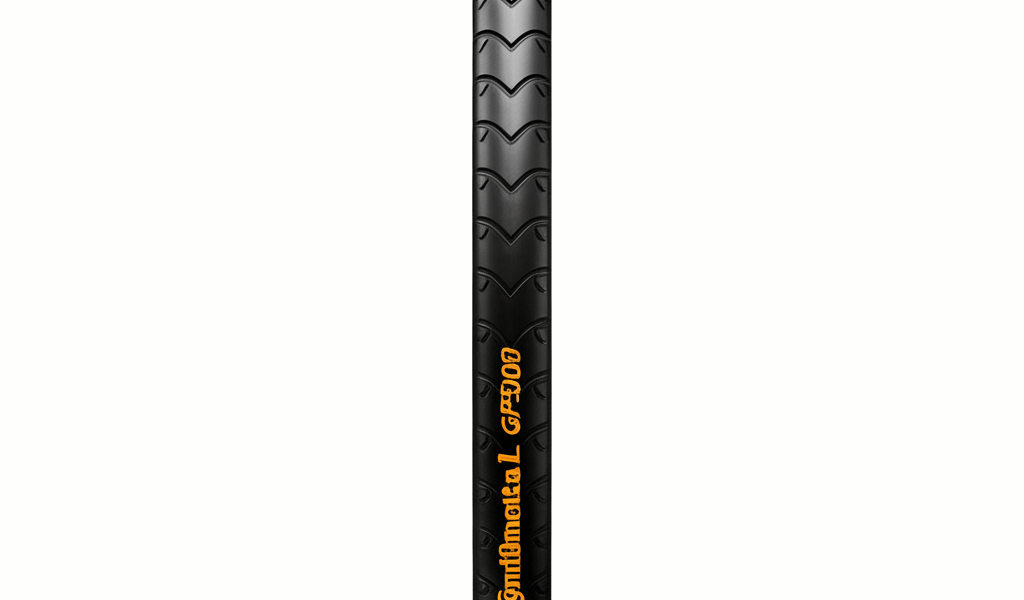
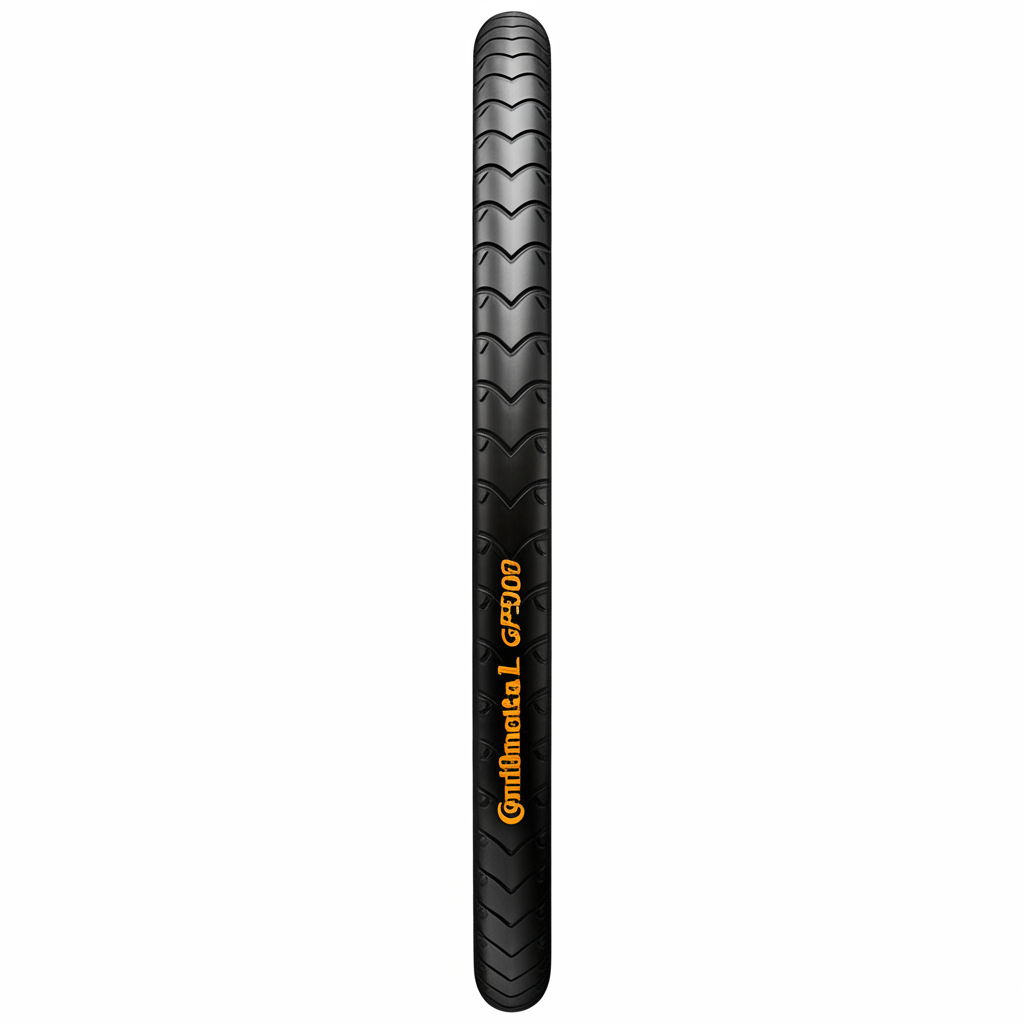
The Continental GP5000 has been the default answer to “what tire should I run?” for serious road cyclists since its introduction in 2019, and not because of marketing. As someone who has worn out multiple sets, compared the rolling resistance numbers, and survived the flat rate comparisons against cheaper alternatives, I know exactly what makes this tire worth the premium. Today, I will share it all with you.
What Makes the GP5000 Different
Two features define the GP5000: the BlackChili compound and the Vectran Breaker puncture protection layer. BlackChili is Continental’s proprietary rubber compound engineered for low rolling resistance while maintaining good grip — including wet pavement grip that competing high-performance compounds have historically sacrificed to achieve lower rolling resistance numbers.
Vectran Breaker is a layer of Vectran fibers (a high-strength aramid/liquid crystal polymer) woven beneath the tread. It resists puncture from road debris without the stiffness penalty of thicker traditional puncture protection layers. The combination produces a tire that independent testing consistently places among the fastest road tires available while providing real-world durability that high-end racing tires typically sacrifice.
Rolling Resistance Numbers
At 120 psi and 45 km/h (from independent testing at sources like BicycleRollingResistance.com), the Continental GP5000 in 25mm comes in at approximately 10–12 watts per tire. Competitors at similar prices typically run 11–16 watts. Premium racing tires (Vittoria Corsa Speed, Specialized S-Works Turbo) reach 8–10 watts.
The GP5000 isn’t the absolute fastest tire available — dedicated racing tires with minimal puncture protection roll faster — but the gap is small (1–3 watts per tire) and the GP5000 is dramatically more durable. For a recreational or competitive rider who isn’t on a professional team with daily tire support, the GP5000 is faster in practice because it’s not sitting in a ditch after a puncture.
Versions Available
The standard GP5000 is a clincher tire for traditional rims with inner tubes, available in 23, 25, 28, and 32mm widths. The GP5000 TL is the tubeless version, running a latex-based sealant inside for puncture protection without a tube. The tubeless version allows lower pressures for better comfort and grip, and independent testing shows it rolls slightly faster than the standard version at equivalent widths. The GP5000 S TR covers endurance and all-road use in wider widths (32–40mm) suitable for mixed-surface riding.
For most riders on modern disc brake road bikes, the GP5000 TL is the premium choice. For those on rim brake bikes or those who prefer the simplicity of tubes, the standard GP5000 is excellent. I’m apparently someone who ran tubes longer than necessary before making the tubeless switch — the flat rate difference is real.
Real-World Durability
Continental specifies the GP5000’s service life at approximately 4,000–6,000 km (2,500–3,700 miles) depending on conditions and rider weight. Real-world reports from cyclists generally align with this range. The tire shows wear gradually — the center tread develops a flat spot over time, and inspection shows tread depth reduction. Most riders catch this visually before structural failure.
Puncture Performance
No road tire is puncture-proof. The GP5000’s Vectran layer provides meaningful protection against small glass and debris — the kind of small cuts that puncture less-protected tires regularly. Large sharp objects can still puncture any road tire. User reports consistently indicate lower puncture frequency compared to budget tires and comparable or better puncture resistance than competing premium tires at similar rolling resistance levels.
Price and Value
The GP5000 typically retails around $70–85 per tire. You’re getting near-race-level rolling resistance with endurance-level durability and excellent wet-weather grip. The tires you’d buy that roll faster cost more and last significantly less time. For riders who put in serious miles and want to feel like their equipment is working for them, the GP5000 easily justifies its price.
The ideal buyer puts in 3,000+ miles per year and wants the best performance-to-durability ratio available. For casual cyclists under 2,000 miles per year, a less expensive all-weather training tire serves well enough. But for everyone else, the Continental GP5000 is the tire that other manufacturers benchmark their products against. That’s not an accident.

Stay in the loop
Get the latest pro bike tech updates delivered to your inbox.