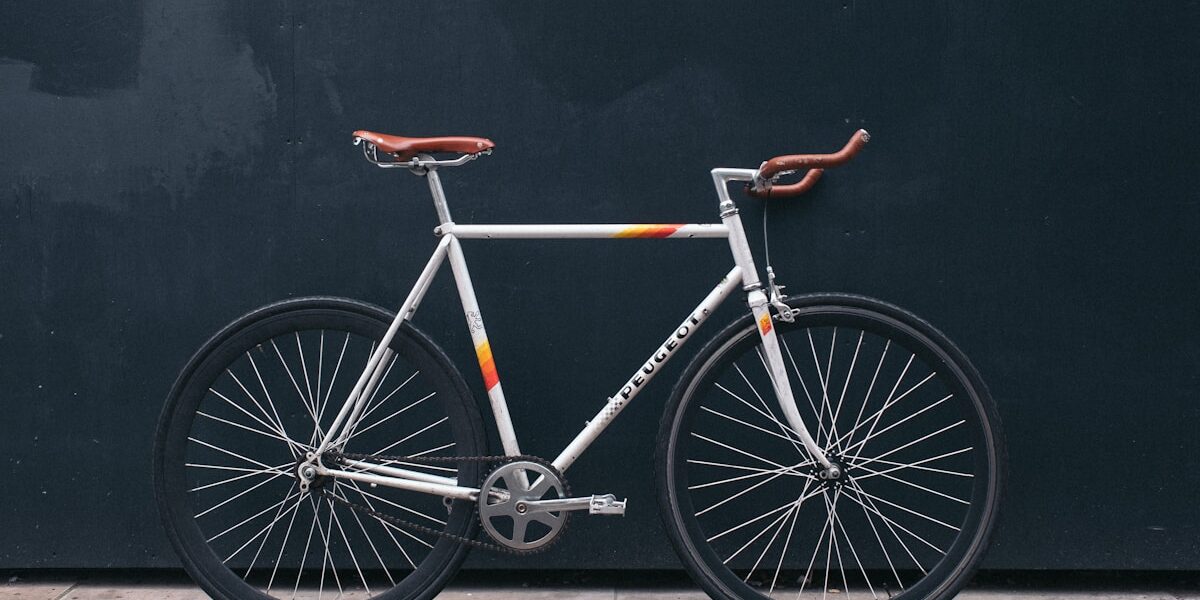
Handlebar width is one of the most personal equipment choices in professional cycling, yet many riders still default to whatever comes stock on their bike. The debate between 42cm and 40cm bars—or even narrower options—isn’t about finding a universal answer. It’s about understanding how width affects your aerodynamics, comfort, handling, and power delivery.
Understanding Handlebar Width Measurements
Before diving into the debate, it’s crucial to understand how handlebars are measured. Most manufacturers measure center-to-center at the drops, though some measure outside-to-outside. A bar listed as “42cm” might actually be 40cm center-to-center with 1cm added on each side for wall thickness. Always verify the measurement method when comparing bars from different brands.
Traditional sizing advice suggested matching handlebar width to shoulder width. While this provides a reasonable starting point, modern pro cycling has evolved beyond this simple formula. Many professional riders now choose bars 2-4cm narrower than their shoulder width, prioritizing aerodynamics over the conventional fit guidelines.
The Aerodynamic Argument for Narrower Bars
Wind tunnel testing has consistently shown that narrower handlebars reduce frontal area and improve aerodynamic efficiency. Every centimeter of width reduction can save approximately 1-2 watts at 45 km/h. For a time trial lasting an hour, this translates to meaningful time savings.
Professional riders like Wout van Aert and Tadej Pogacar have been spotted using 38cm or even 36cm bars in certain races. The trend toward narrower bars accelerated after UCI regulations began limiting other aerodynamic optimizations, pushing teams to find gains wherever possible.
Real-World Aero Benefits
However, wind tunnel data doesn’t tell the complete story. Narrower bars bring your arms closer together, which can improve the airflow around your torso. But if the narrower position forces you into an uncomfortable posture, you may unconsciously raise your head or round your shoulders, negating the aerodynamic benefits.
Breathing and Power Considerations
One often-overlooked factor is respiratory function. Wider handlebars open up the chest cavity, potentially improving breathing capacity during high-intensity efforts. Riders who struggle with breathing on narrow bars may find that 42cm width allows deeper breaths during climbs or sprint finishes.
Power delivery also changes with handlebar width. Narrower bars can limit the ability to rock the bike during out-of-saddle efforts, which is a technique many climbers rely on. Conversely, some sprinters prefer narrow bars for more direct power transfer and a more stable platform for explosive efforts.
Handling Characteristics
Handlebar width significantly affects bike handling. Wider bars provide more leverage for steering inputs, making the bike feel more stable at slow speeds and during technical descents. Narrower bars create quicker steering response, which some riders describe as “twitchy” while others find it more responsive.
In the professional peloton, narrow bars become particularly relevant during bunch finishes and tight corners. Being able to slip through smaller gaps can mean the difference between winning and losing a sprint. However, reduced stability might increase crash risk in chaotic finishing circuits.
Finding Your Personal Width
The best approach to handlebar width selection involves experimentation. Many professional bike fitters recommend testing different widths during training before committing to race equipment. Start with your current width and try bars 2cm narrower for several weeks, paying attention to comfort, breathing, and handling.
Signs You Need Wider Bars
- Shoulder pain or tension after long rides
- Difficulty breathing during intense efforts
- Feeling unstable in technical descents
- Numbness in hands due to concentrated pressure points
Signs You Could Go Narrower
- Comfortable at current width with no pain issues
- Prioritizing time trial or flat race performance
- Strong core stability and flexible shoulders
- Seeking marginal aerodynamic gains
Professional Perspectives
Team bike fitters report that handlebar width preferences vary dramatically even among professionals with similar body types. Some WorldTour riders stick with 42cm bars throughout their careers, while others experiment with widths as narrow as 36cm for specific events. The trend continues toward narrower options, but the “right” width remains highly individual.
Remember that changing handlebar width may require adjustments to stem length, brake lever position, and bar tape wrap pattern. A holistic approach to cockpit setup ensures that width changes translate to actual performance benefits rather than new comfort problems.


Stay in the loop
Get the latest pro bike tech updates delivered to your inbox.