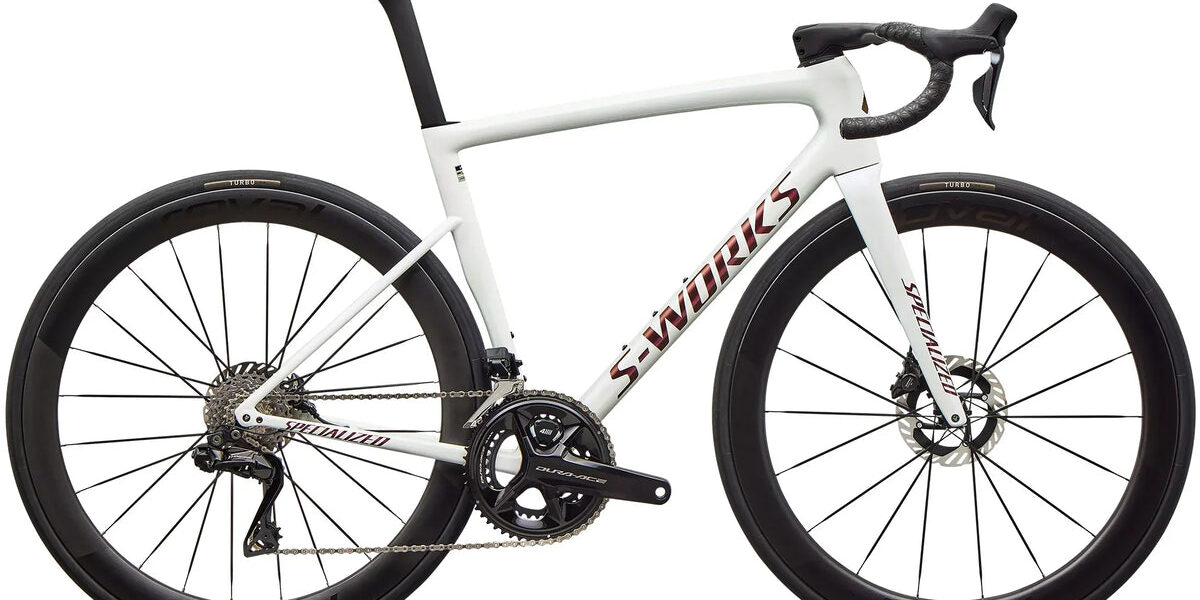
Climbing bike setup represents a fundamentally different optimization philosophy than time trial or aerodynamic builds. Where flat-road speed prioritizes aerodynamics, mountain performance depends primarily on power-to-weight ratio. Every gram matters when gravity is the enemy, and professional climbers approach their equipment choices with meticulous attention to weight savings.
The Power-to-Weight Equation
On steep gradients, aerodynamic drag becomes relatively insignificant compared to gravitational resistance. A 10% grade tilts the performance equation so heavily toward weight that even significant aero penalties become acceptable if they reduce mass. Professional climbers understand this trade-off and configure their bikes accordingly.
The UCI minimum weight limit of 6.8kg (currently under review) constrains professional builds. Many teams report that their climbing bikes would be significantly lighter if not for this regulation, requiring teams to add ballast strategically to reach the minimum weight.
Weight Distribution Considerations
Beyond total weight, how mass is distributed affects climbing performance. Rotating weight—wheels, tires, and rotational components of the drivetrain—requires additional energy to accelerate. On variable-gradient climbs with repeated accelerations, lightweight wheels provide more benefit than equivalent weight savings on the frame.
Frame Selection for Climbing
Climbing-specific frames prioritize stiffness-to-weight ratio over pure aerodynamics. Key characteristics include:
Material Choices
High-modulus carbon fiber allows engineers to create frames that are both extremely light and sufficiently stiff. The highest-tier climbing frames use carbon fibers with modulus ratings above 40 tons, enabling wall thicknesses that would be impossible with standard carbon grades.
Tube shapes on climbing bikes often sacrifice aerodynamic profiles for weight reduction. Round or mildly shaped tubes can be made lighter than deep aero profiles while maintaining structural requirements. The penalty on steep gradients is minimal.
Frame Size Considerations
Some professional climbers choose frames at the smaller end of their fit range, accepting minor position compromises for reduced frame weight. A size small frame might weigh 100-150g less than a large in the same model—meaningful for dedicated climbing specialists.
Wheelset Optimization
Climbing wheels represent the most impactful category for weight-conscious builds. Professional climbing wheelsets often weigh under 1200g for the pair, compared to 1600-1800g for typical aerodynamic wheelsets.
Rim Depth Trade-offs
Shallow rims (30-40mm depth) dominate climbing setups. While deep rims would improve aerodynamics on flatter sections, the weight penalty at 60-80mm depth typically outweighs aerodynamic benefits on sustained climbs. The crosswind handling advantages of shallower rims also benefit descending confidence.
Hub and Spoke Considerations
Lightweight hubs use minimalist designs with titanium axles, carbon shells, and reduced bearing counts. Spoke counts drop to 20-24 spokes per wheel, using bladed or elliptical profiles that maintain lateral stiffness while reducing weight.
Premium climbing wheels balance absolute weight against durability. Ultra-light wheels that fail under hard racing conditions cost more in lost results than a slightly heavier wheelset that survives an entire Grand Tour.
Groupset Selection
Climbing builds prioritize groupset weight, though the differences between top-tier options are relatively small. More significant choices include:
Cassette Range
Wide-range cassettes (up to 34 or 36 tooth large cogs) allow lower climbing gears without weight penalties of compact or sub-compact chainrings. Many professional climbers run 11-34 cassettes that provide comfortable spinning cadences on the steepest gradients.
Electronic vs Mechanical
Electronic groupsets add weight compared to mechanical equivalents—typically 100-200g depending on configuration. However, the consistency and reduced effort of electronic shifting can improve climbing efficiency over multi-hour mountain stages. Professional teams generally favor electronic shifting despite the weight penalty.
Cockpit Lightweighting
Handlebars, stem, and seatpost offer significant weight-saving opportunities:
- Carbon handlebars: 100-150g lighter than comparable aluminum, with integrated cable routing
- Ultra-light stems: Carbon or aluminum options under 100g
- Carbon seatposts: Weight savings of 50-100g with adequate compliance for comfort
- Minimalist bar tape: Thin wraps save 20-30g versus plush options
Tire Selection for Climbing
Tire weight significantly affects performance feel, particularly during accelerations. Climbing-focused tire choices include:
Width: While wide tires (28-30mm) have become standard for general road riding, some climbers prefer 25mm tires for weight savings, accepting minor rolling resistance penalties on typically smooth mountain roads.
Casing construction: Lightweight casings with higher TPI (threads per inch) reduce weight but offer less puncture protection. Teams assess course conditions before choosing between race-weight and training-weight casings.
Saddle and Finishing Kit
Saddle selection balances weight against the comfort necessary for multi-hour climbing efforts:
Carbon-railed saddles save 30-50g versus titanium rails. Carbon shell saddles push weight savings further, though comfort may suffer on long stages. Many climbers accept slightly heavier saddles that maintain performance over five-hour mountain stages.
Accessory Minimalism
Climbing builds strip non-essential accessories. Minimalist computer mounts, number holders designed for single-stage use, and elimination of unnecessary bolt-on accessories contribute to overall weight reduction.
The Complete Package
Effective climbing setup extends beyond the bike. Lighter bottles, minimalist nutrition storage, and even clothing choices contribute to the total package weight. Professional climbers coordinate equipment, clothing, and nutrition strategies to optimize power-to-weight ratio across the entire system.
However, the ultimate limiter remains the rider’s own power-to-weight ratio. Equipment optimization provides marginal gains that matter at the highest levels but cannot compensate for inadequate fitness or race strategy.


Stay in the loop
Get the latest pro bike tech updates delivered to your inbox.