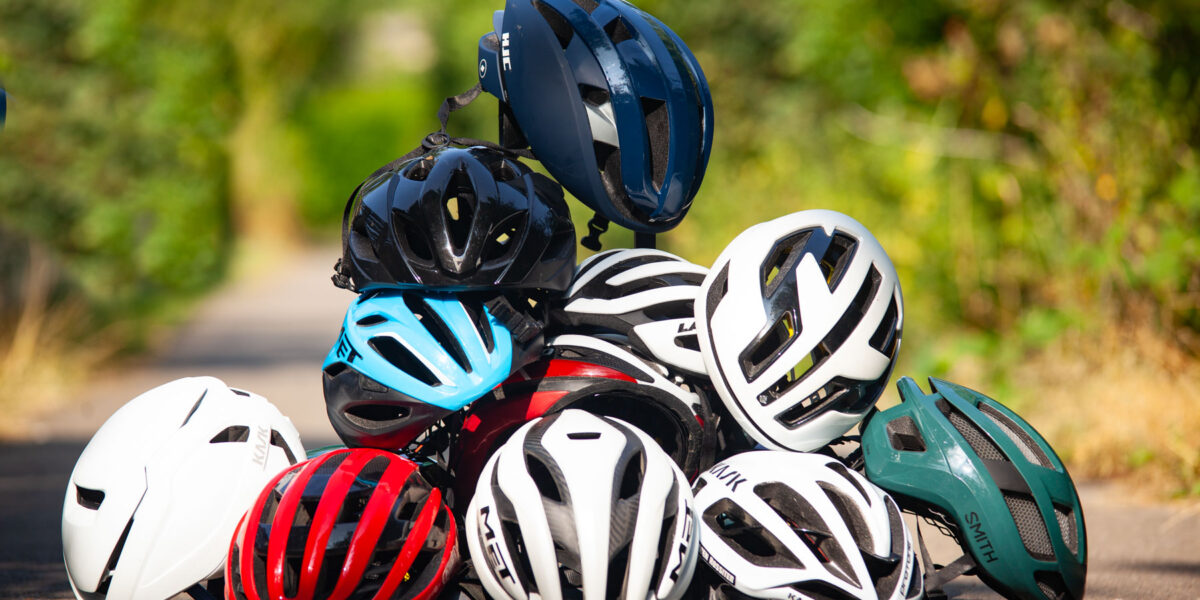
Aerodynamic helmet selection has become a critical performance decision in professional cycling, with wind tunnel data showing potential savings of 30-60 seconds over a 40km time trial. However, the fastest helmet in the wind tunnel isn’t always the fastest helmet on race day. Understanding how head position, ventilation needs, and individual head shape interact with helmet aerodynamics separates optimal choices from expensive mistakes.
The Aerodynamics of Helmet Design
Modern aero helmets work by managing airflow around the head and shoulders, reducing the size and turbulence of the wake behind the rider. The most effective designs create smooth laminar flow that reattaches cleanly, minimizing the low-pressure zone that creates drag.
Two primary design philosophies dominate the market: long-tail helmets with extended rear sections, and truncated designs that “cut off” the tail. Each approach has advantages depending on rider head position and conditions.
Long-Tail vs Truncated Designs
Long-tail helmets like the traditional time trial teardrop shape perform exceptionally well when the rider maintains a perfectly stable head position with the tail following the spine line. Any head movement or looking up breaks this alignment and can actually increase drag compared to a truncated design.
Truncated helmets sacrifice some theoretical optimal performance for real-world robustness. Since the “ideal” tail position is effectively always in the wake zone regardless of head angle, these designs maintain consistent aerodynamic properties across various head positions. This makes them popular for road racing where riders frequently look around and change position.
Head Position Considerations
The relationship between head position and helmet aerodynamics cannot be overstated. Wind tunnel testing shows that the same helmet can perform dramatically differently—sometimes by 10 watts or more—depending on how the rider holds their head.
Professional bike fitters work with riders to determine their natural head position during different efforts. A rider who tends to look up during hard efforts needs a different helmet profile than one who keeps their head tucked and uses peripheral vision. Many pros now test multiple helmets in realistic race positions rather than the idealized head-down posture often used in marketing testing.
Position-Specific Recommendations
- Time trial specialists: Long-tail designs optimized for sustained head-down position
- Road racers: Truncated aero road helmets that perform across varied positions
- All-rounders: Modern aero road helmets balancing aerodynamics with ventilation
- Climbers: Lightweight options that prioritize cooling with some aero features
Ventilation Trade-offs
Every vent opening creates aerodynamic penalty, but thermal management directly affects performance. An overheated rider produces less power. The optimal balance depends on expected conditions and rider physiology.
Wind tunnel-optimized helmets often have minimal ventilation, making them suitable only for cooler conditions or shorter efforts. Racing in summer heat with an under-ventilated helmet can cost more in reduced power output than the helmet saves in aerodynamic efficiency.
Smart Vent Solutions
Several manufacturers have developed adjustable ventilation systems that allow riders to modify cooling based on conditions. Magnetic covers, sliding panels, and removable inserts let riders close vents for maximum aerodynamics in cool weather and open them for thermal relief when needed.
Fitting for Performance
Helmet fit affects both aerodynamics and safety. A helmet that sits too high or requires adjustment during riding creates unnecessary drag and distraction. Proper fit means the helmet sits level, doesn’t shift during movement, and maintains its intended aerodynamic profile throughout various head positions.
Professional teams often have their riders helmet-fit during training camps, using 3D scanning to match head shapes with helmet internal geometry. Consumer versions of this technology are becoming available at high-end bike fitting studios.
Retention System Impact
The retention system that holds the helmet in position also affects aerodynamics. Low-profile, integrated retention systems minimize protrusions and turbulence. Some racing helmets have eliminated external adjustment dials entirely, using internal sizing systems that don’t disturb airflow.
Real-World Testing Protocol
Wind tunnel results provide valuable data, but the most accurate helmet selection method involves on-road testing with power meters. Several professional teams have developed standardized testing protocols:
- Establish baseline power/speed relationship on a known course
- Test different helmets on same course in similar conditions
- Compare power required to maintain identical speeds
- Repeat tests to confirm consistency
This real-world approach captures factors that wind tunnels miss, including helmet interaction with jersey, temperature effects on rider position, and natural head movement patterns during actual riding.
UCI Regulations and Helmet Selection
The Union Cycliste Internationale regulates helmet design for professional competition. Understanding these rules prevents purchasing helmets that can’t be used in racing. Key restrictions include dimensions relative to head size, minimum ventilation requirements for certain event types, and prohibitions on specific aerodynamic features.
Regulations evolve, so helmets legal today may not be legal for future seasons. Many serious racers choose helmets from manufacturers with strong track records of maintaining UCI compliance across product generations.
Making the Final Selection
The ideal aero helmet selection process combines objective data with personal factors. Wind tunnel results, on-road testing, comfort during extended wear, and compatibility with eyewear and hydration systems all contribute to the final decision. The fastest helmet is the one that provides the best aerodynamics while keeping the rider comfortable, cool, and focused on performance.


Stay in the loop
Get the latest pro bike tech updates delivered to your inbox.